How Print Quality Impacts Medical Device Compliance & Safety
Learn the most common medical device packaging mistakes involving protection, compliance, labeling, and usability, and how to avoid costly packaging issues.
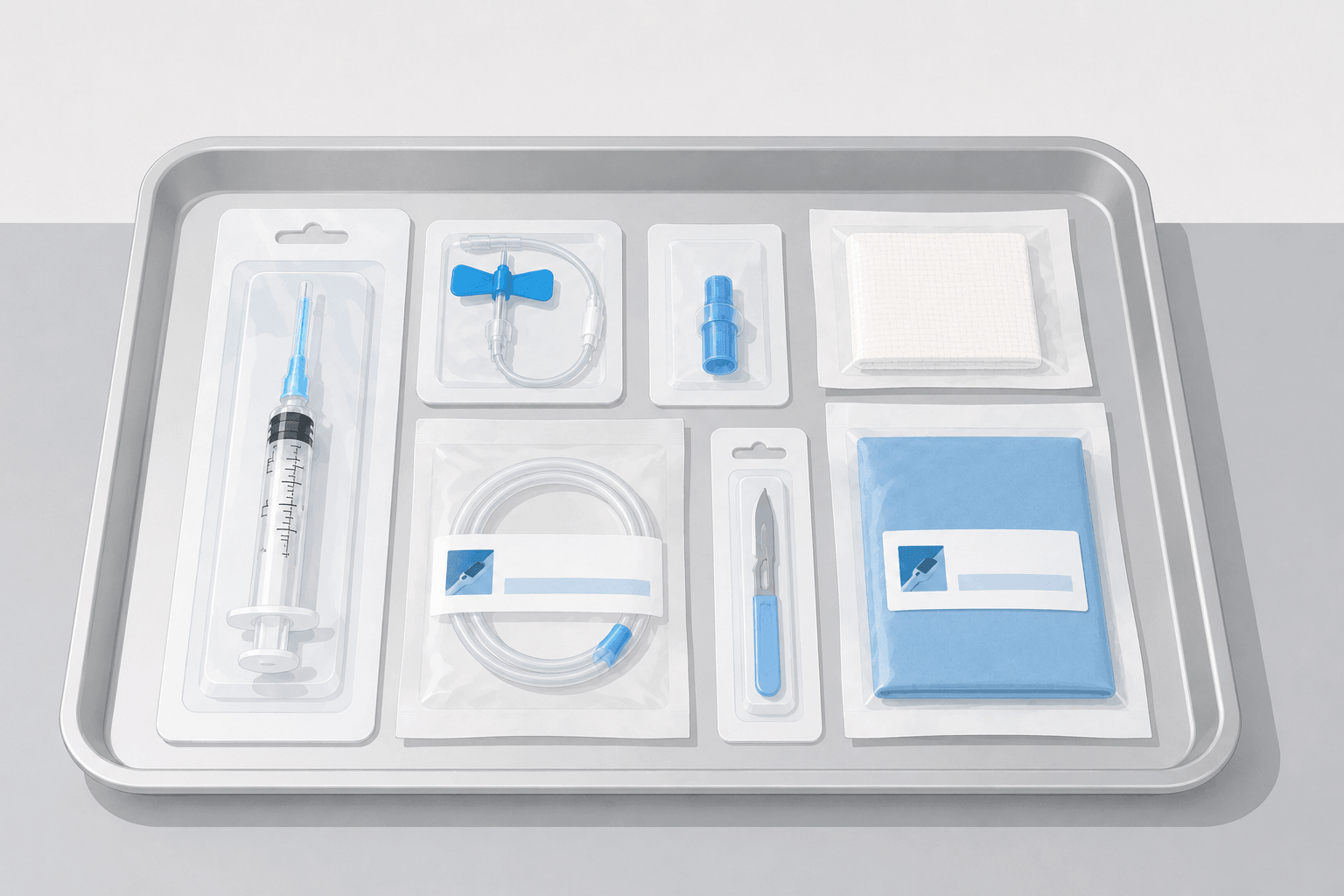
What do you think makes a medical device safe? For most folks, their first thought has something to do with the device itself. How it was designed and manufactured, or perhaps how it was sterilized. But it would be a mistake to think that safety for medical devices stops there.
The design of the packaging that holds these devices is also critically important to guaranteeing user safety. So, in this blog, we’ll look at the specific aspects of printing that have the greatest impact on medical device packaging safety and efficacy.
Why Print Accuracy Matters in Medical Device Packaging
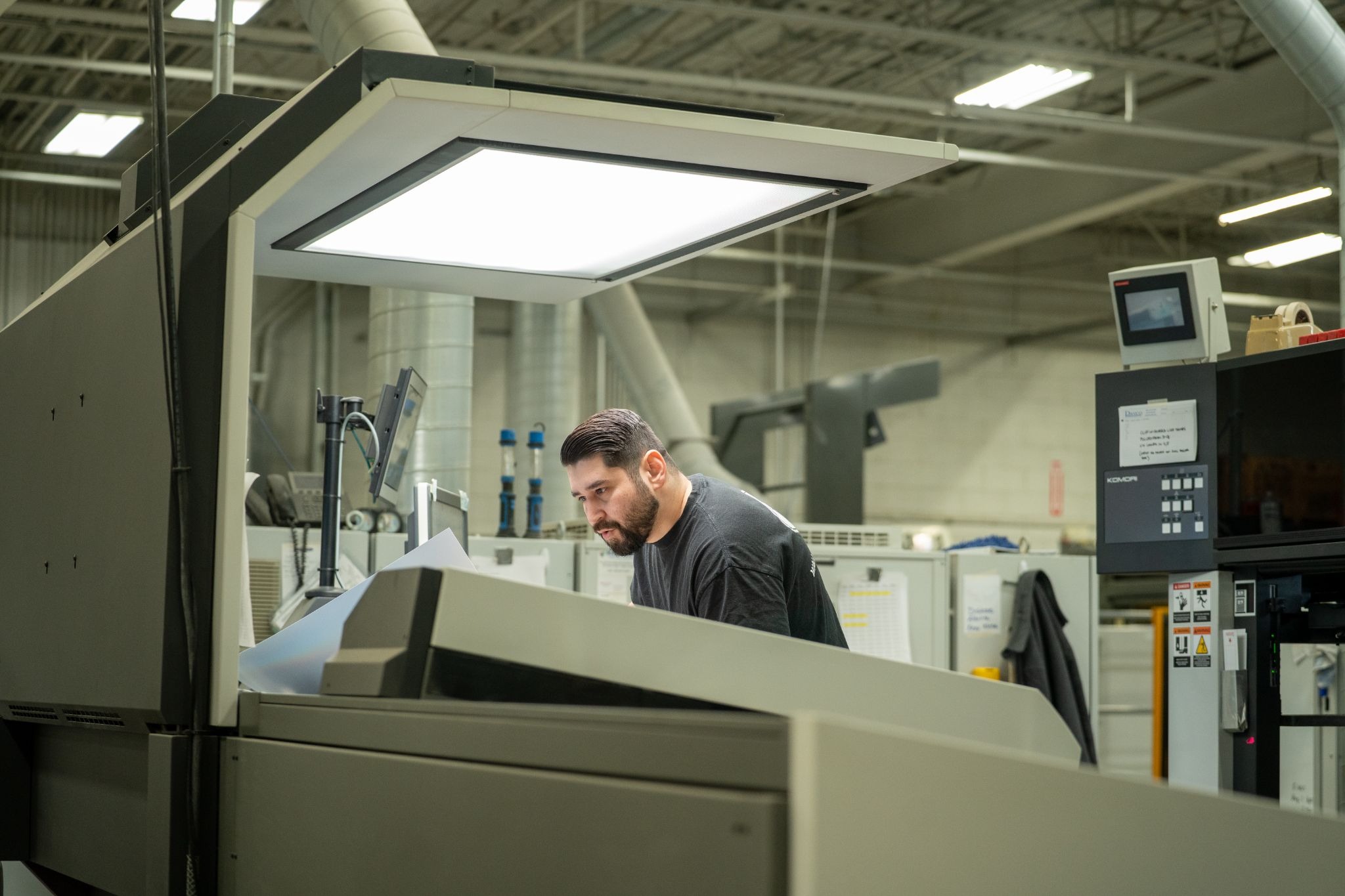
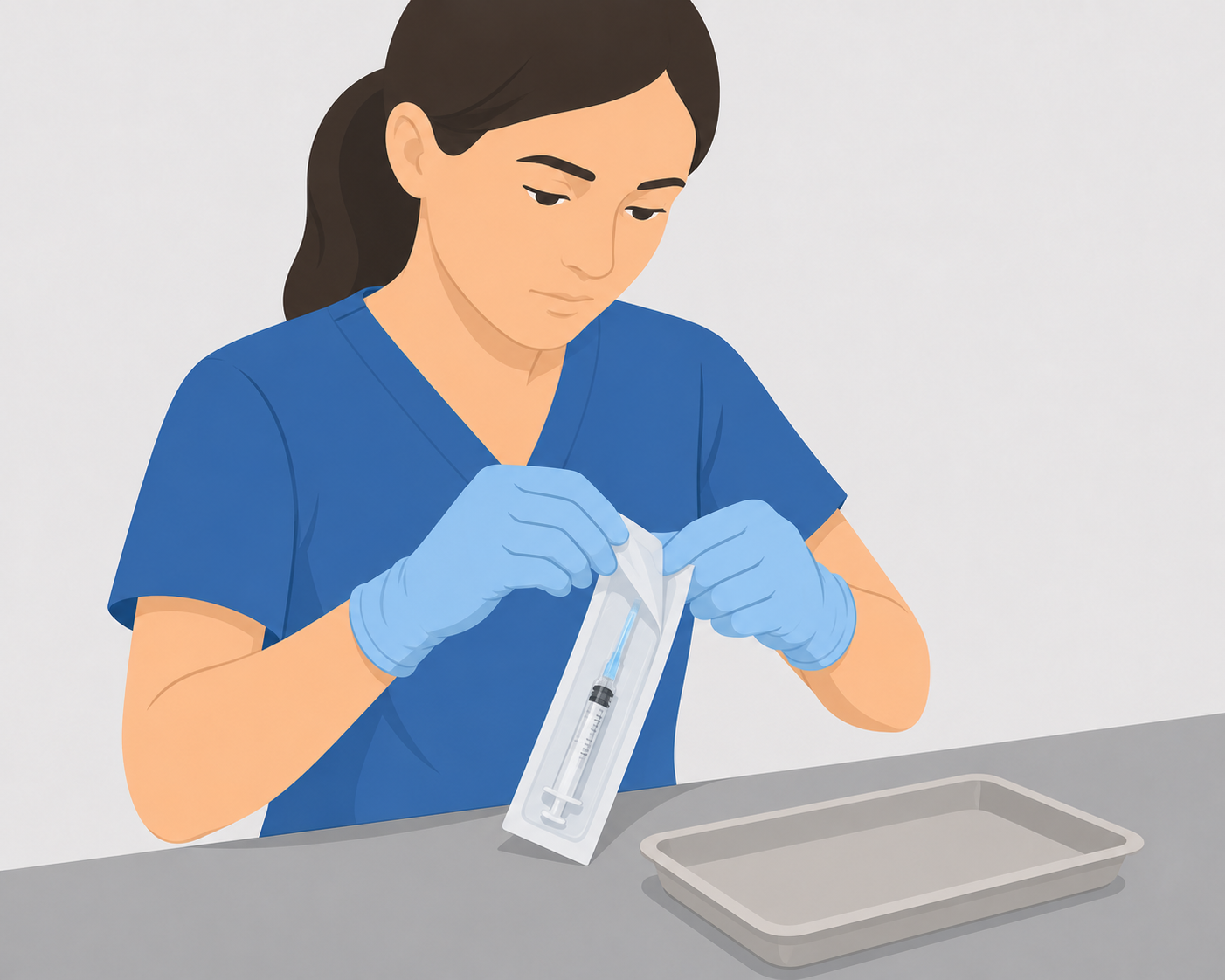
Clarity and accuracy are everything in medical device packaging. Not only are there strict regulations on what a label needs to include, there are also numerous practical concerns. For example, if the print quality is poor enough to allow the information to get smudged, blurred, or scratched off, then end users may not even know how to correctly open the package or use the device. Preventing such problems requires a dual focus during the packaging development process on both strong visual design and smart print material selection.
How Print Quality Supports Safety and Traceability
Critical elements that must always be clear and legible on medical device packaging include:
- Lot numbers
- Expiration date
- Production information
- Automatic Identification and Data Capture (AIDC) elements

Guaranteeing this enduring legibility starts with the graphic design of the labels. Maintaining strict color accuracy and consistency ensures specific brands or products can be easily picked out at-a-glance. And strong contrast between text/symbols and the background color ensures critical information is always easy to read.
To confirm these properties have been achieved, it’s always a good idea to create and inspect a physical proof of a medical device packaging design prior to executing a full print run. In fact, most common mistakes seen in medical device packaging can be entirely avoided with a simple pre-press proof.
Choosing Printing Processes and Materials for Healthcare Packaging
But as critical as the visual design is, it’s arguably not the most critical factor for making safe medical packaging. What matters most is the durability of the print itself. This requires strong, stable print substrates like fiber board, adhesive labels, or Tyvek. It also often requires very specific printing processes.
For example, you must use inks that dry almost instantaneously to prevent smearing on non-porous surfaces. Also, coatings and varnishes should - at the very least - be water resistant. They may even need to be resistant to much stronger solvents, depending on the environment the device is likely to be stored and used in. Likewise, if specialty finishes are used, they must be carefully vetted for their ability to withstand above-average wear and tear.
How Expertise Impacts Custom Medical Device Packaging
As this blog illustrates, there are a lot of factors to consider when developing medical device packaging. How good it looks is important. How well it holds up even more so. And choosing the right materials and processes to get the job done requires the savvy eye of a veteran professional.
At Wallace Carlson, we’ve spent nearly a century innovating print and packaging design. We understand our craft, inside and out, and pride ourselves on providing both novel solutions and Michelin-star quality service to our clients. If you’re ready to see what a team of undisputed, industry-leading experts can do for your next project, get in touch with Wallace Carlson today.
Conclusion
Work that stands out across time and industries
Looking for more insights on print marketing and design? Check out the latest blogs from Wallace Carlson for expert tips, industry trends, and strategies to elevate your brand.