3 Common Medical Device Packaging Mistakes (and How to Avoid Them)
Learn the most common medical device packaging mistakes involving protection, compliance, labeling, and usability, and how to avoid costly packaging issues.
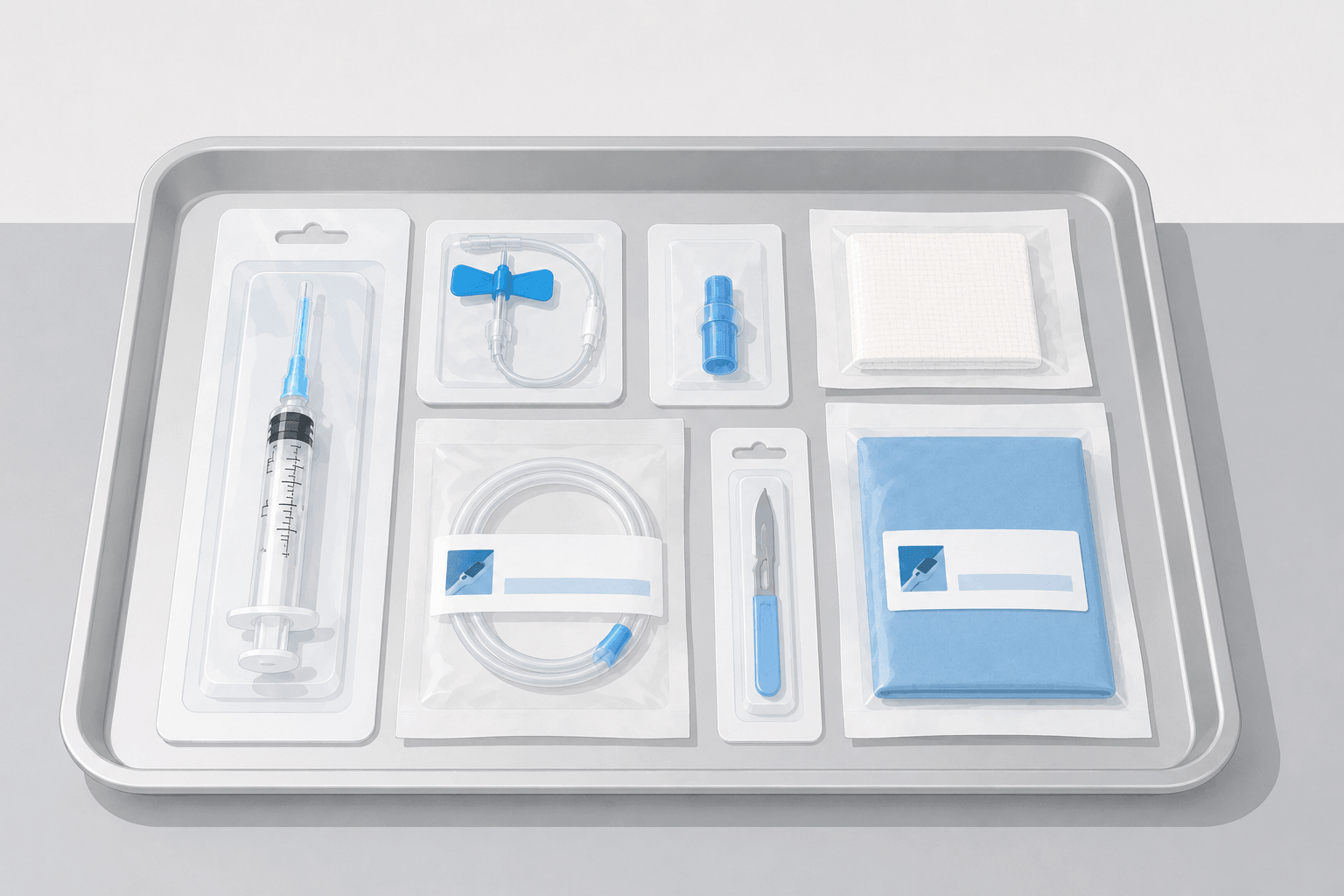
Medical device packaging standards are more exacting than most. And as a seasoned custom packaging designer and printer, we’ve been asked to step in and remedy plenty of other providers’ failures over the years. So, in this blog, we’re summarizing the top three missteps we’ve seen brands make with their medical device packaging.
Read on to learn how to avoid these pitfalls and protect both your products and the people that depend on them.
1. Using Packaging Materials that Don’t Properly Protect the Device
Source: Photo from Pexels
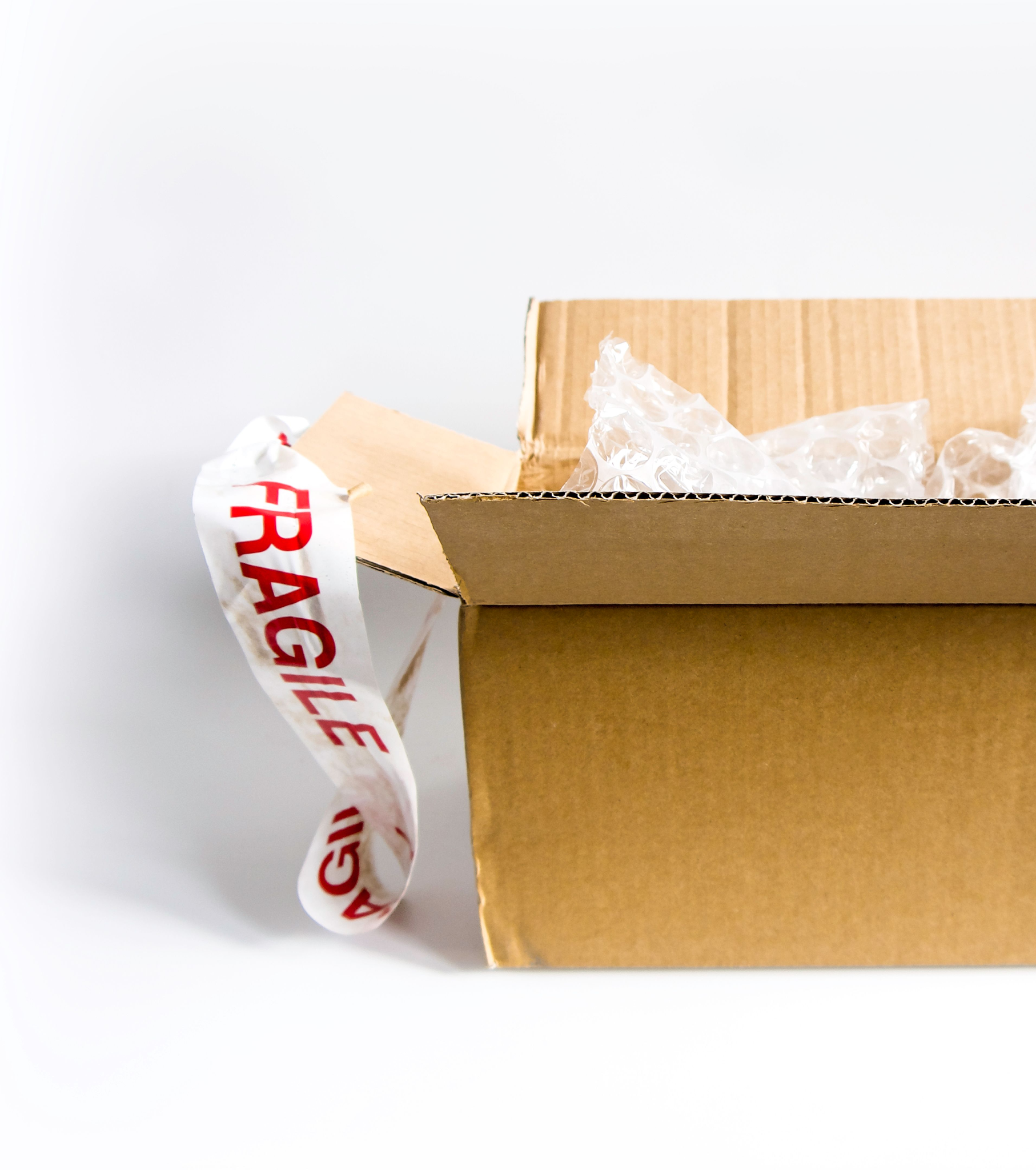
Medical device manufacturers that try to cut corners on the strength of their packaging run the risk of their products being essentially useless on arrival. This is because protective packaging does much more than just keep the medical devices looking good. It ensures they arrive safe, intact, and just as clean or sterile as they were when they left the manufacturer.
Ensuring proper protection for medical devices requires packaging with excellent puncture resistance, the capacity to hold strong seals, and overall durability. Fortunately, there are a number of materials that can be used to meet this high bar.
Fiberboard is a good option where some degree of porosity is allowed, while plastic packaging substrates like Tyvek and PVC can provide a strongly protected, fully sealed environment. As for larger containers meant to house and transport multiple individually packaged items, high quality cardboard can also be an effective solution. Critically, many of these materials can also be sustainably sourced, helping brands meet their sustainability goals without sacrificing on product safety.
2. Overlooking Labeling and Compliance Requirements
Source: FDA
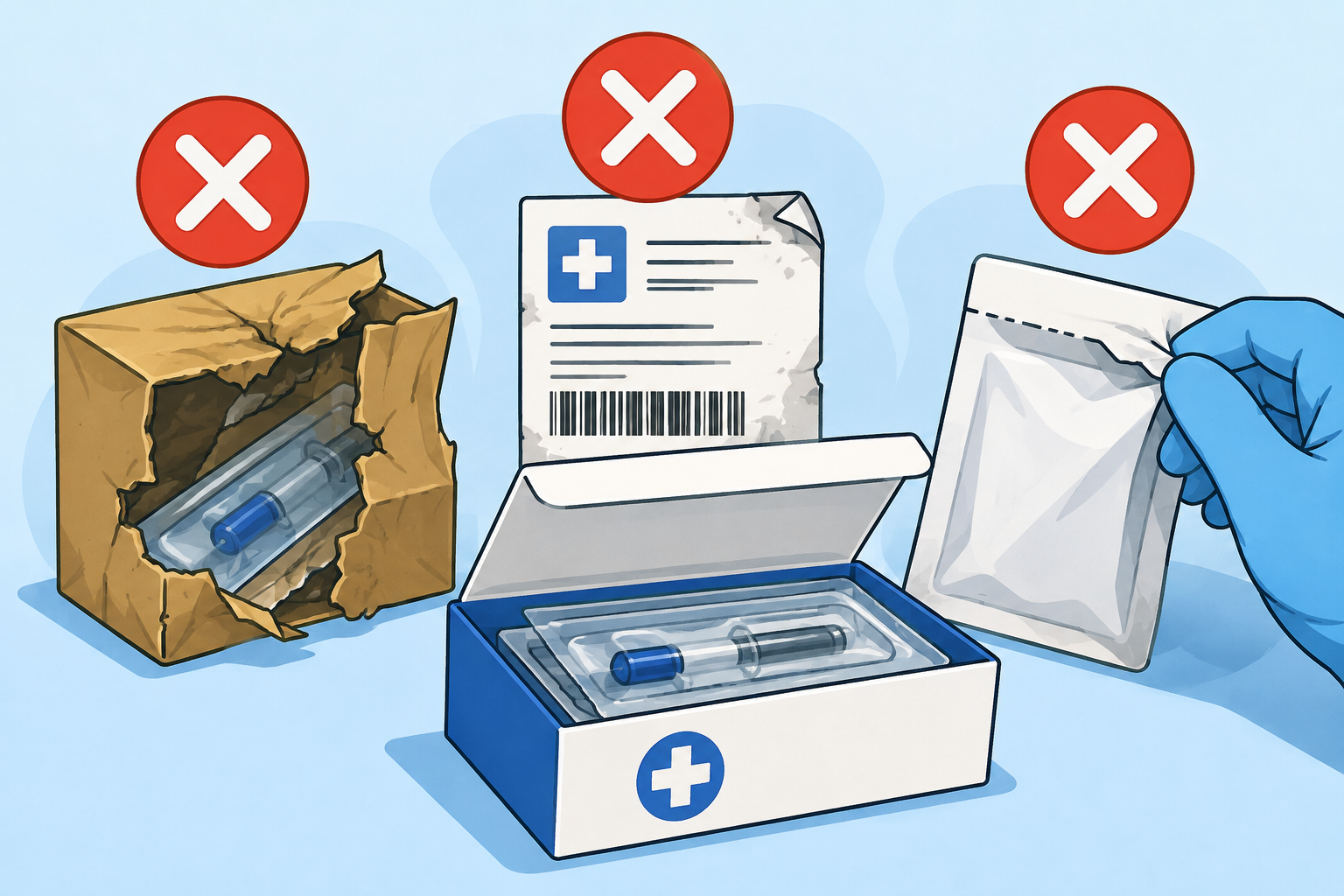
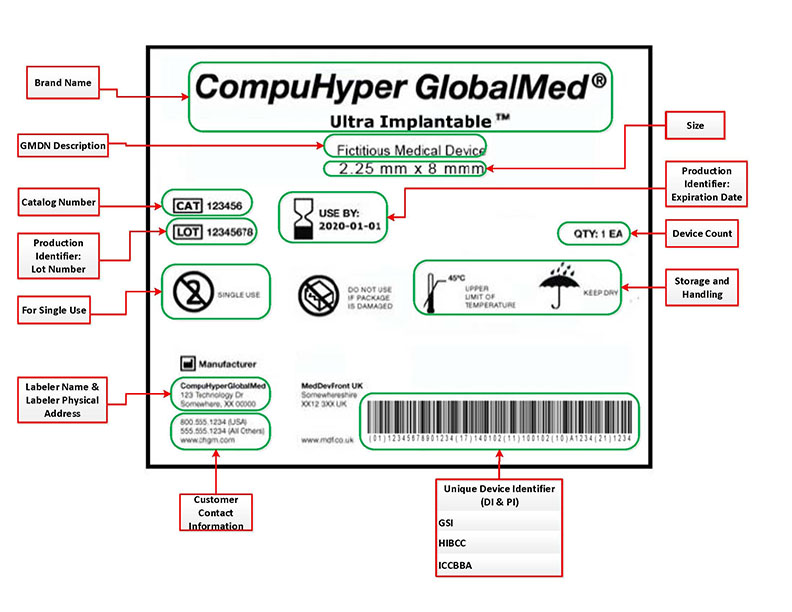
Since medical device packaging is often more utilitarian in its design, some companies make the mistake of assuming that the print quality isn’t as high of a priority. But medical devices that lack the right printed information, or whose printed information has been damaged to the point of illegibility, are in violation of federal regulations.
All packaging must be clearly and durably labeled with comprehensive tracking and identifying information, including:
- Device name
- Device description
- A Unique Device Identifier (UDI) number
- An Automatic Identification and Data Capture (AIDC) element, such as a barcode
- Manufacturer information including address and contact info
- Relevant warning and use instructions
For more information on compliance requirements, check out our blog on medical device packaging design, compliance, and best practices.
3. Designing Packaging That Creates Friction for Healthcare Professionals

Source: Photo from Pexels
This last problem we’ve seen in medical device packaging is really a hodge podge of different issues, all of which lead to the same negative outcome - unnecessary struggle for the end user. Like text that’s too small, too stylized, or too shiny to easily read, or packaging that’s confusing or difficult to open. These kinds of issues can be caused by a number of problems, including:
- Poor print quality
- Flawed material selection
- Untested design
Because the potential causes of problems for the end user are so diverse, the only reliable way to prevent them completely is to conduct regular reviews and checks during the packaging development process. These checks include:
- Proofreading all text, both before and after creating a digital proof.
- Creating a physical proof to check if all text is legible, even after coatings are applied.
- Ensuring all text and symbols have strong contrast with the background.
- Testing all functions of the physical proof such as opening, closing, and un-sealing.
Need some help getting your medical device packaging in order? Reach out to our team today to see what Wallace Carlson Printing can do for you!
Conclusion
Work that stands out across time and industries
Looking for more insights on print marketing and design? Check out the latest blogs from Wallace Carlson for expert tips, industry trends, and strategies to elevate your brand.