Medical Device Packaging: Compliance, Design, & Best Practices
Learn medical device packaging best practices, including FDA labeling requirements, compliant packaging design, material selection, and healthcare packaging standards.

Medical devices are among the most controlled products in the world. Every part of their development, manufacturing, sale and use is subject to scrutiny and regulations. But what does this mean for how they’re packaged?
In this blog, we’ll take a closer look at the regulations that impact medical device packaging design and printing. By the end, you’ll have a strong understanding of what goes into ensuring your packaging is not only fully compliant, but also up to the task of getting critical healthcare supplies to their final destination in pristine condition.
Why Medical Device Packaging Requires Specialized Design & Printing
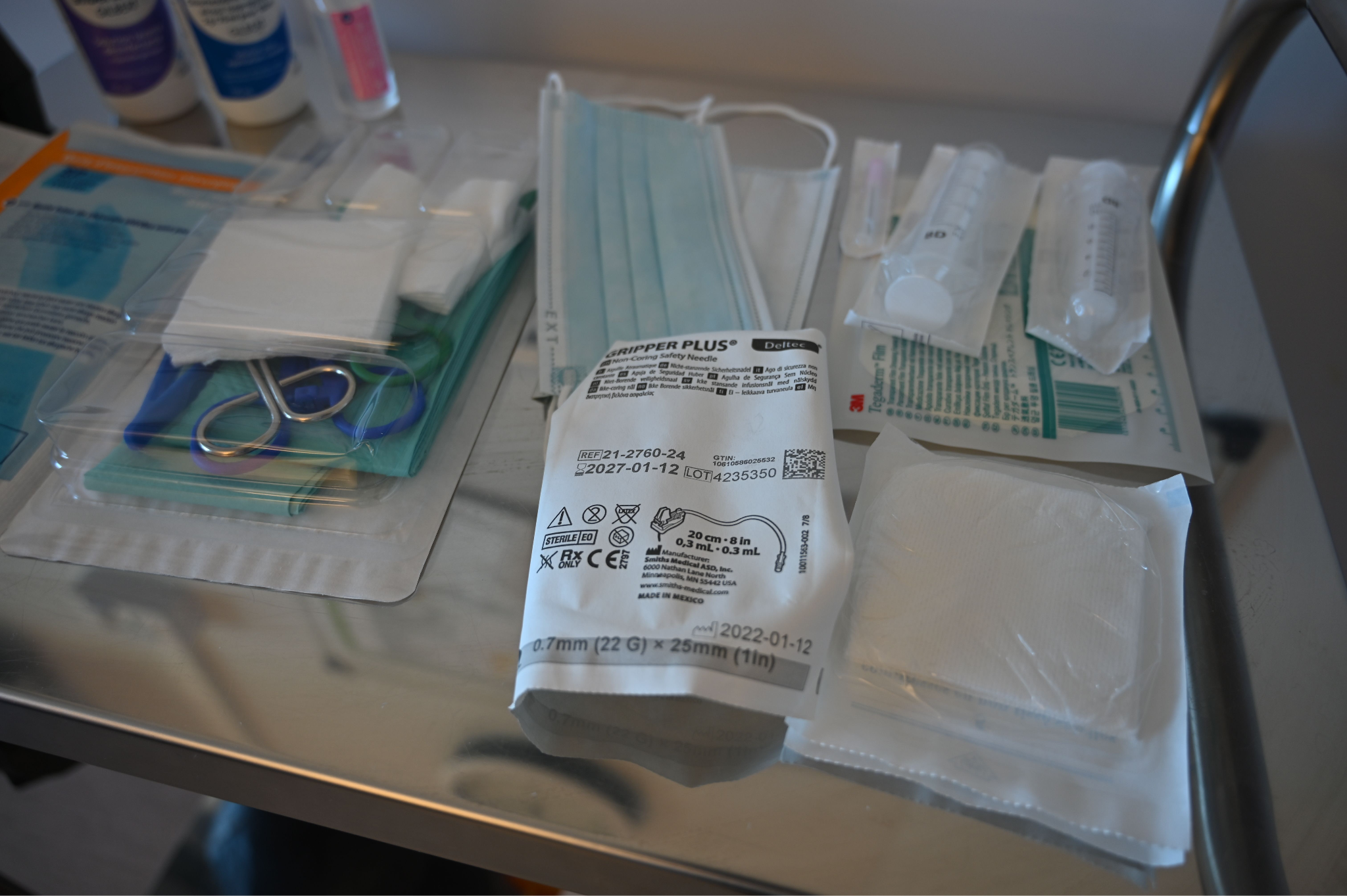
Source: Photo from Pexels
Simply put, medical device packaging has three jobs:
- Provide durable protection for the product that ensures its sterility.
- Clearly communicate identifying and regulatory information.
- Look professional and trustworthy.
Achieving these three elements hinges on both the materials that are used and the overall packaging design. Strength and legibility are king. And anyone who cuts corners in these areas risks damaged goods or, even worse, patient harm.
Key Compliance Requirements for Medical Device Packaging
Source: FDA
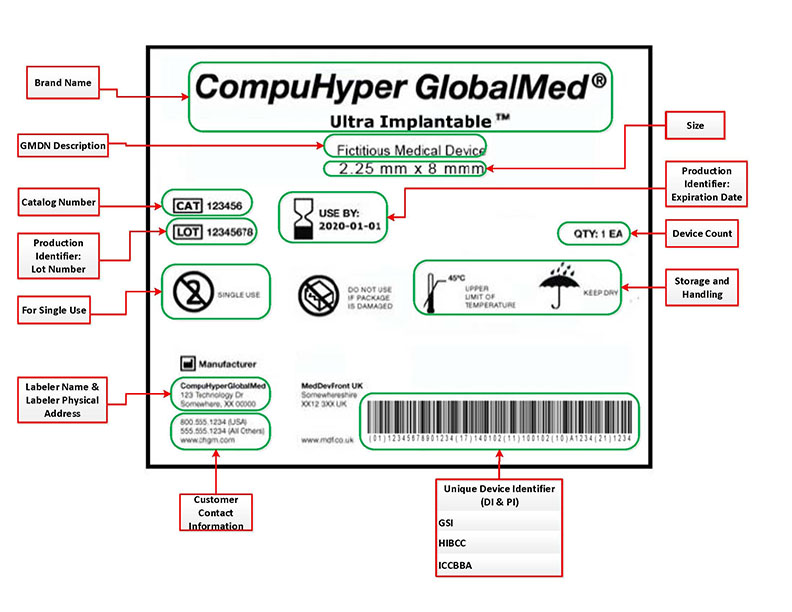
In the United States, medical device labeling regulations are governed by the Food and Drug Administration (FDA). These regulations state that all medical device packaging needs to include a Unique Device Identifier (UDI) applied by the entity that prints the label on the packaging (the labeler). The UDI is an alphanumeric code that must be printed both in plain text and in a machine scannable format, such as a barcode. The UDI consists of:
- The Device Identifier (DI), a mandatory, fixed portion of a UDI that identifies the labeler and the specific version or model of a device.
- The Production Identifier (PI), a conditional, variable portion of a UDI that identifies one or more of the following:
- Lot or batch number within which a device was manufactured
- Serial number of a specific device
- Expiration date of a specific device
- Date a specific device was manufactured;
- Distinct identification code required by §1271.290(c) for a human cell, tissue, or cellular and tissue based product (HCT/P) regulated as a device.
All UDI information needs to be submitted by the labeler to the Global Unique Device Identification Database (GUDID), which serves as the repository for medical device tracking information.
Other requirements for medical device packaging can include:
- Specific warnings for patients and/or healthcare professionals.
- Instructions on how to use or administer the device.
- Tamperproof seals.
- Additional tracking information.
- Storage and handling instructions.
- Size and quantity information.
Common Challenges in Medical Device Packaging

Source: Photo from Pexels
When deciding what materials and design elements that will be used for medical device packaging, there are a few different questions that need to be considered.
First, what kind of conditions is the packaging likely to face during shipping and handling? The more exposed the package will be during the process, the stronger it generally needs to be. On the other hand, packaging that will be housed inside of an additional box or shipping container for most of its journey to the patient may be fine using more basic materials.
Second, what information does this packaging have to display to be compliant? Special care needs to be paid to the printing processes used for this information to ensure it remains both easily read by the naked eye and scannable by Automatic Identification and Data Capture (AIDC) scanners. Any ink that can be too easily smudged, blurred, or scratched off is not suitable for medical device packaging.
Choosing the Right Medical Device Packaging Partner
In highly regulated fields, experience is invaluable for ensuring every box gets checked. Fortunately, at Wallace Carlson, experience is something we’ve got in spades. After nearly a century in operation, we understand the ins and outs of commercial printing better than anyone. And thanks to the medical device manufacturers already included among our happy clients, we know just what it takes to get these kinds of custom packaging jobs done right.
Reach out to our team today to learn what Wallace Carlson can do for you.
Conclusion
Work that stands out across time and industries
Looking for more insights on print marketing and design? Check out the latest blogs from Wallace Carlson for expert tips, industry trends, and strategies to elevate your brand.