The History of Print (Part 1)
Explore the history of print from hand-copied manuscripts and Gutenberg’s printing press to newspapers and the Industrial Revolution. Discover the innovations that transformed how information was shared around the world.
Series: The History of Print
From Ancient Manuscripts to the Industrial Revolution
Long before digital presses and commercial printing, every book was copied by hand. This timeline explores the major innovations that transformed printing from a painstaking craft into one of history’s most influential technologies.
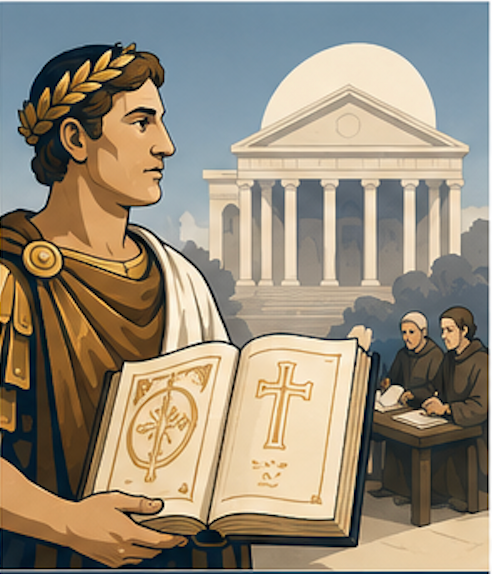
331 AD
Constantine’s 50 Bibles
Emperor Constantine commissioned 50 hand-copied Bibles, the first large-scale document reproduction project in history. It marked humanity’s first attempt to solve the challenge of copying information at scale.
500–1400s
The Age of the Scriptorium
For nearly 1,000 years, monks hand-copied books in monastery scriptoria. A single Bible could take over a year to create, making books rare and incredibly valuable.

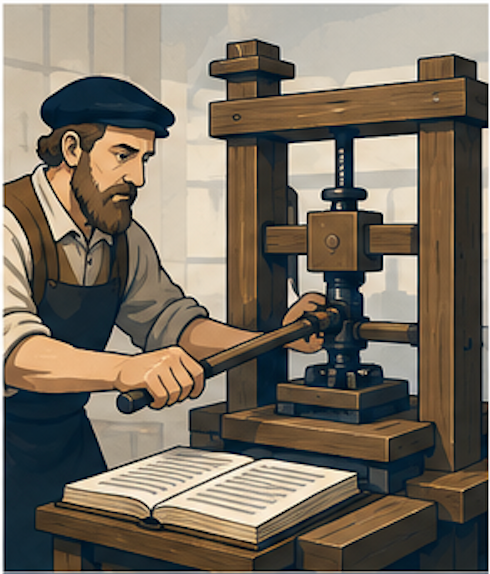
1440s
Gutenberg Invents the Printing Press
Johannes Gutenberg’s movable type press transformed communication forever. Books that once took months or years to produce could now be printed in days.
1500s
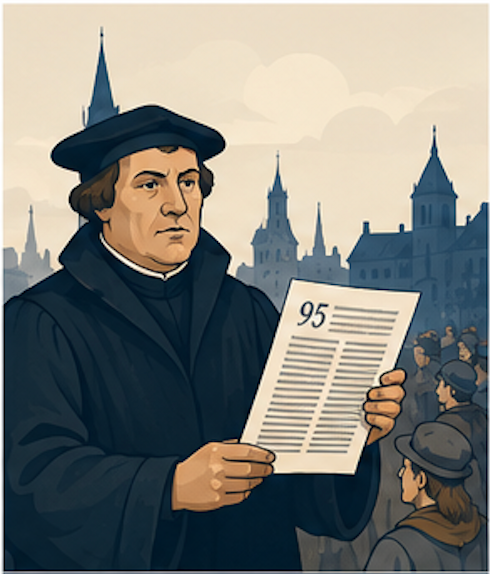
The Reformation & The Pamphlet
Print became a powerful tool for spreading ideas. Martin Luther’s writings reached audiences across Europe, giving ordinary people access to information like never before.
1605
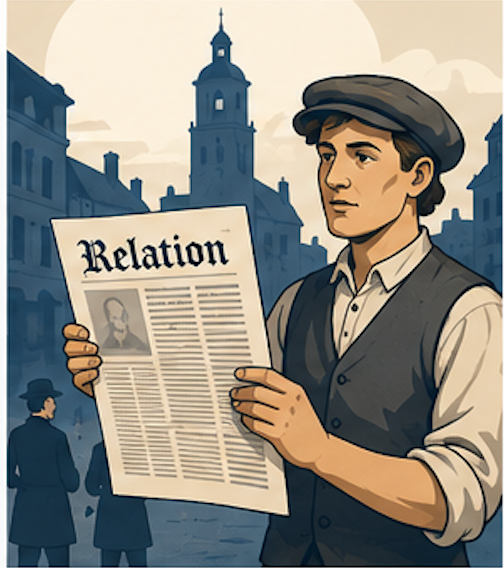
The First Newspaper
Germany’s first newspaper introduced regularly scheduled news. Information that once traveled by word of mouth could now reach readers in days.
1776
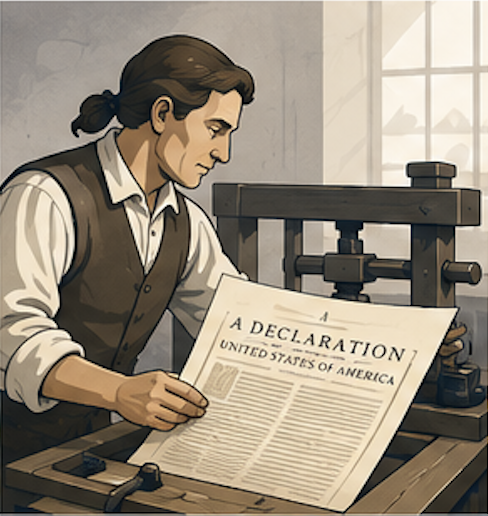
Printing the Declaration of Independence
John Dunlap printed roughly 200 copies of the Declaration overnight. Print helped spread revolutionary ideas across the American colonies.
1800s
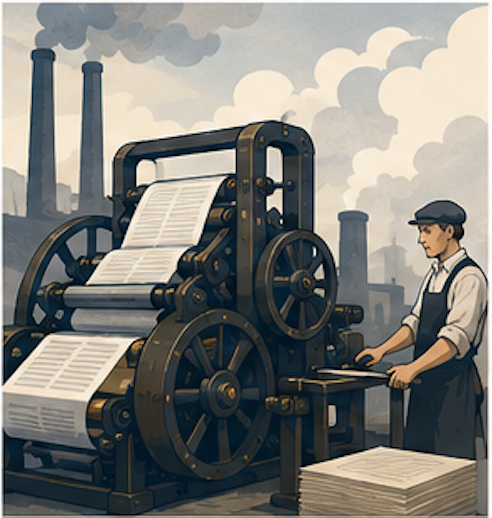
Industrial Printing Revolution
Steam-powered and rotary presses enabled true mass production. Books, newspapers, and advertising became affordable and accessible to the general public.
The Story Continues…
From Constantine’s hand-copied Bibles to Gutenberg’s printing press and the Industrial Revolution, the first 1,500 years of print transformed how information was created, shared, and preserved.
But the biggest changes were still ahead. The 20th century introduced offset lithography, commercial print production, office printing, and digital technology—innovations that would shape the modern printing industry.
Series: The History of Print
Conclusion
Work that stands out across time and industries
Looking for more insights on print marketing and design? Check out the latest blogs from Wallace Carlson for expert tips, industry trends, and strategies to elevate your brand.