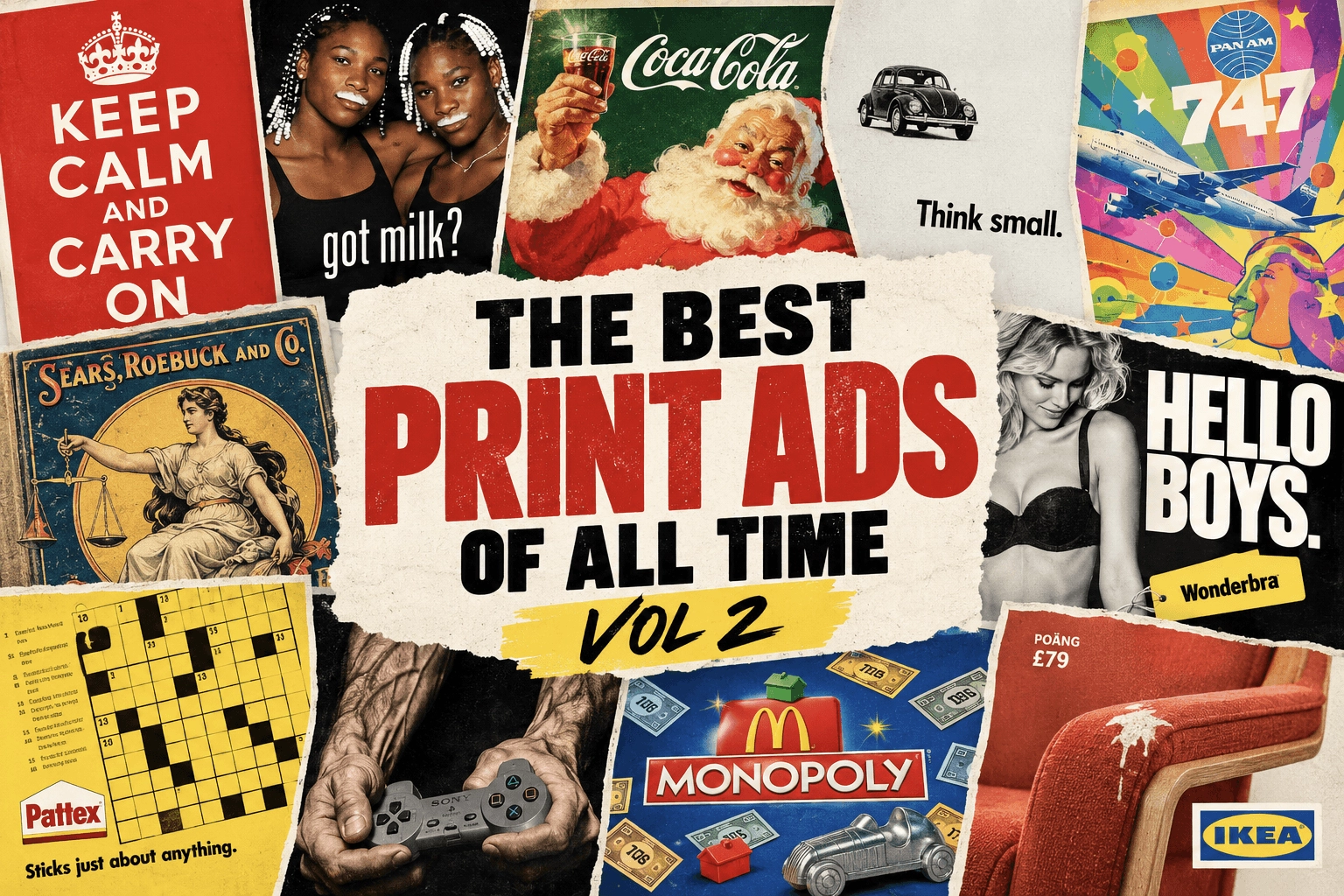
Designing Beyond the Trim: Creative Use Cases for Full-Bleed Printing
Full-bleed printing eliminates borders for a modern, high-impact look. See where it works best and how to design files correctly for professional results.
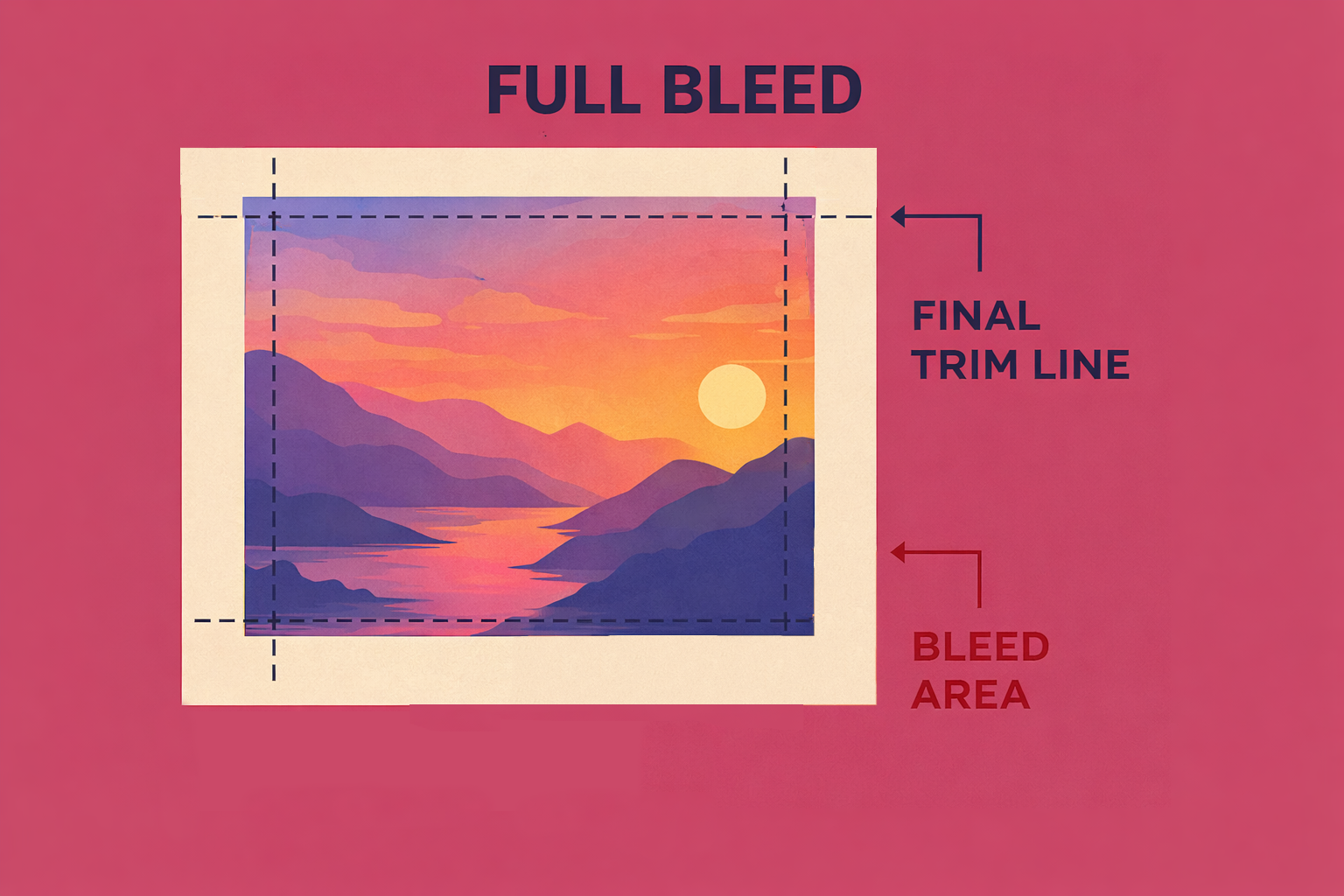
There’s something undeniably compelling about a full-bleed print. Whether it’s a photo that stretches to every edge of a magazine spread, or a logo design repeating unbroken across custom packaging - that simple continuation right up to the edge makes the final result feel bigger. Grander. More complete.
If that’s how you want your prints and packaging to feel, then you’ve come to the right blog. Read on to learn what full-bleed printing is, its top use cases, and the special design steps necessary to pull it off.
What is Full-Bleed Printing?
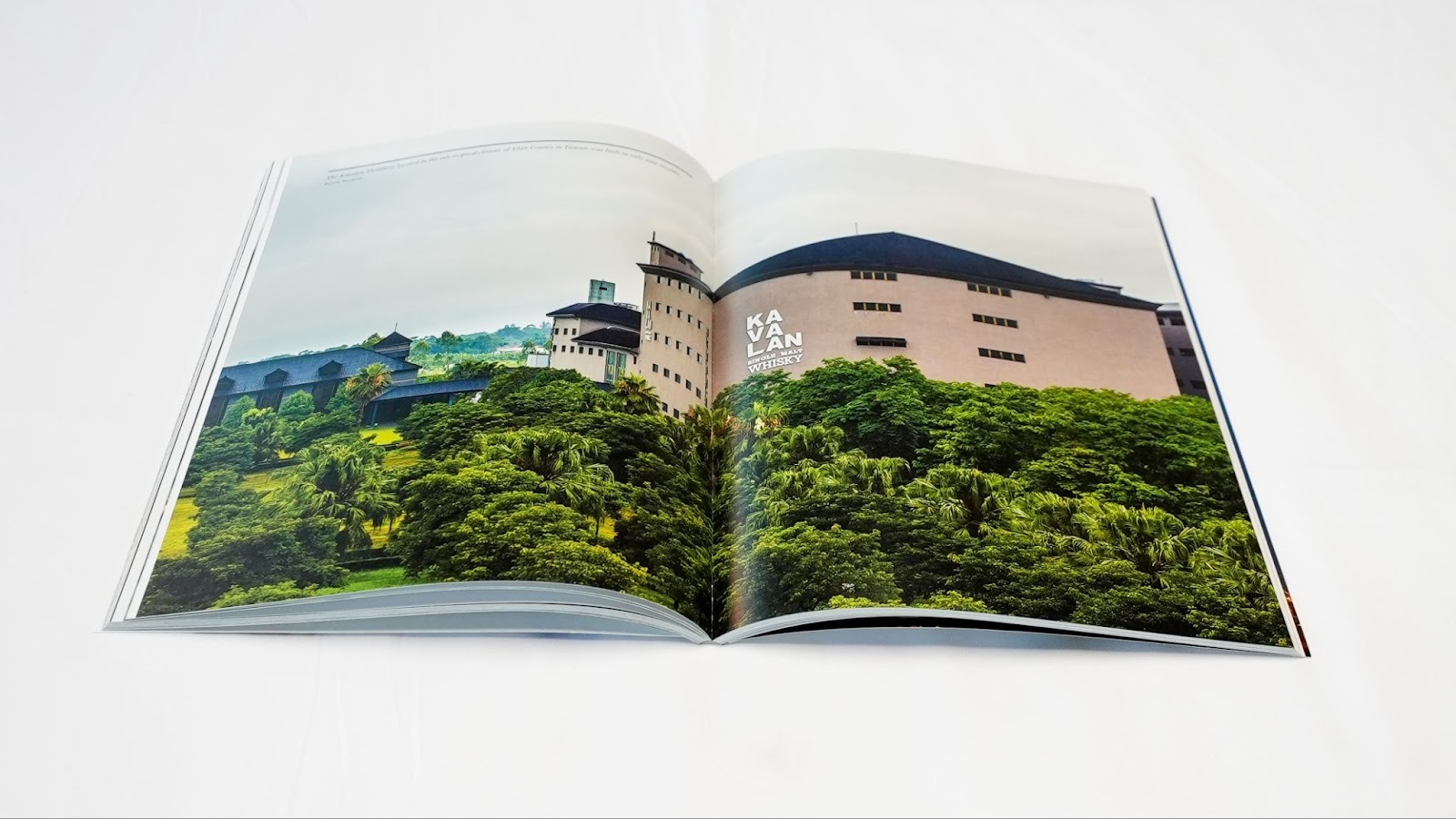
Full-bleed refers to printing that extends beyond the trim edge of the project. This ensures that, once the final print is trimmed, no unprinted margins remain.
Where Full-Bleed Printing Works Best
Full-bleed printing is used in all kinds of print materials. That being said, there are some formats where it’s especially popular.
Brochures and Postcards
Full-bleed imagery is extremely effective for materials that need to make a big impression with minimal space. It allows prints like brochures and postcards to pitch locations, services, products, and brands in compelling detail, without sacrificing their compact design.
Packaging
All-over patterns and PMS brand colors are popular uses of full-bleed printing in packaging. The technique elevates standard boxes, sleeves, envelopes, and more into customized brand-building tools that contribute to the perceived value of the products they contain.
Posters and Large-Format Prints
Large-format print materials use full-bleed printing to create big, dynamic, unbroken impressions. The elimination of white space can help these oversized products engage viewers and improve image legibility at a distance.
Annual Reports and Lookbooks
Full-bleed spreads and covers in publications contribute to a polished, professional first impression. Using every inch of available space for a given illustration also helps ensure no detail is sacrificed, giving the reader the highest quality visual information possible.
Design Tips
For a successful full-bleed print, you need to ensure your design :
- Is high resolution, at least 300 dpi
- Extends past the final trim lines by at least .125” on all sides.
- Keeps all text or critical image information well within the final trim lines.
For more ideas on how to elevate your print design, check out our guide to print coatings and finishes.
Wallace Carlson Bleeds For You
If you need help adding bleed to your print designs, you’ve come to the right printer. We pride ourselves on offering Michelin star-level service to all of our print and custom packaging clients, and that includes print design assistance. Even if you’ve never heard the term ‘full bleed’ before in your life, we will help you ensure your final prints are flawless, from edge to edge. Talk to our team today to get your project started!
Conclusion
Work that stands out across time and industries
Looking for more insights on print marketing and design? Check out the latest blogs from Wallace Carlson for expert tips, industry trends, and strategies to elevate your brand.