Retail Packaging Requirements: What Brands Need to Know to Get on Store Shelves
Learn what brands need to know about retail packaging requirements, including shelf-ready packaging, labeling, barcodes, durability, and retail display considerations.
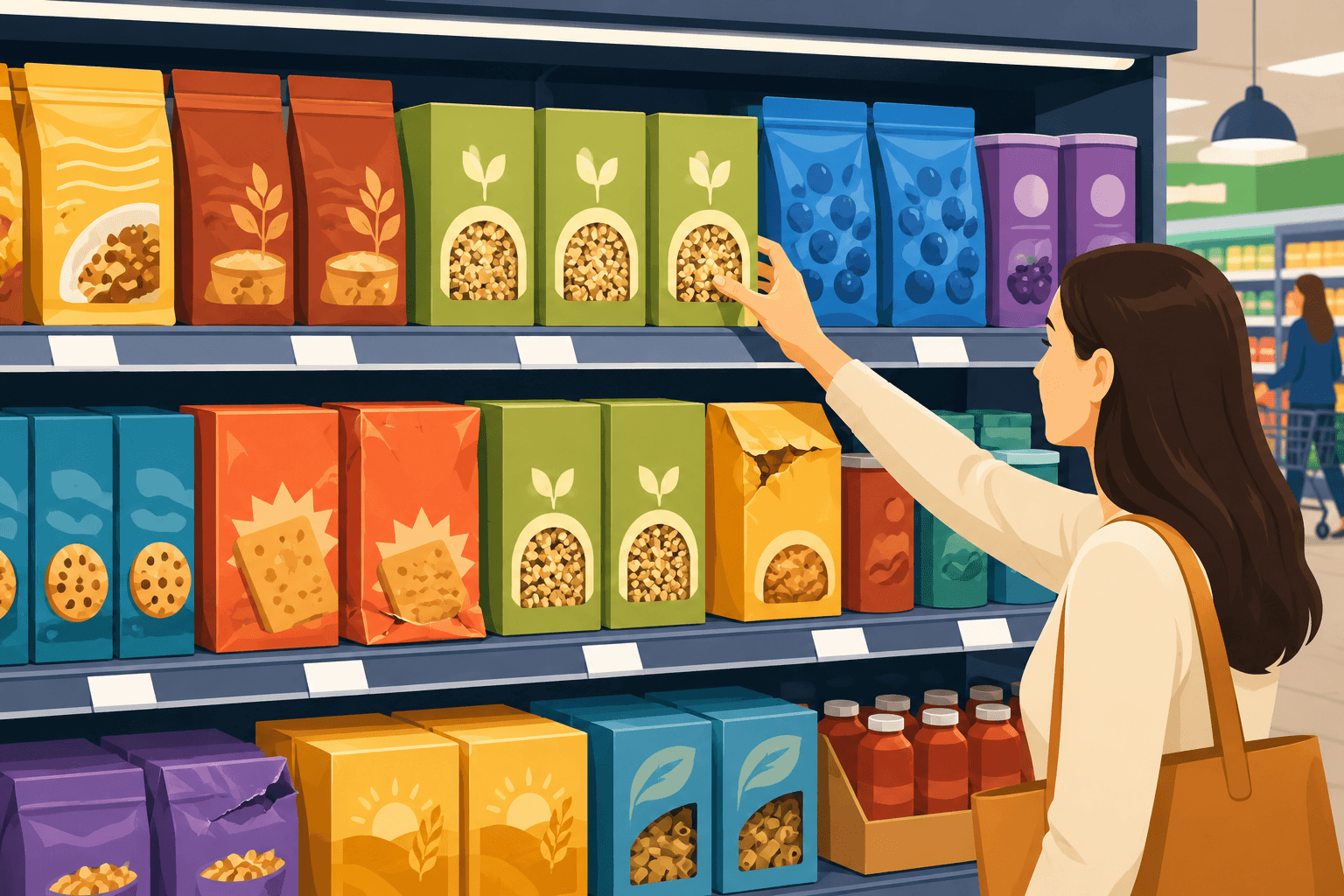
Online shopping may be popular, but it’s impossible to beat retail’s ability to get your products right under the noses of new customers. Store shelves are where the uninformed transform into loyal, devoted fans. But brick and mortar retail also comes with some unique packaging demands. Labeling requirements, durability, and dimensions all need to be considered. In this blog, we’ll walk you through these factors, so you can confidently design packaging that succeeds on store shelves.
What Makes Packaging “Retail Ready”
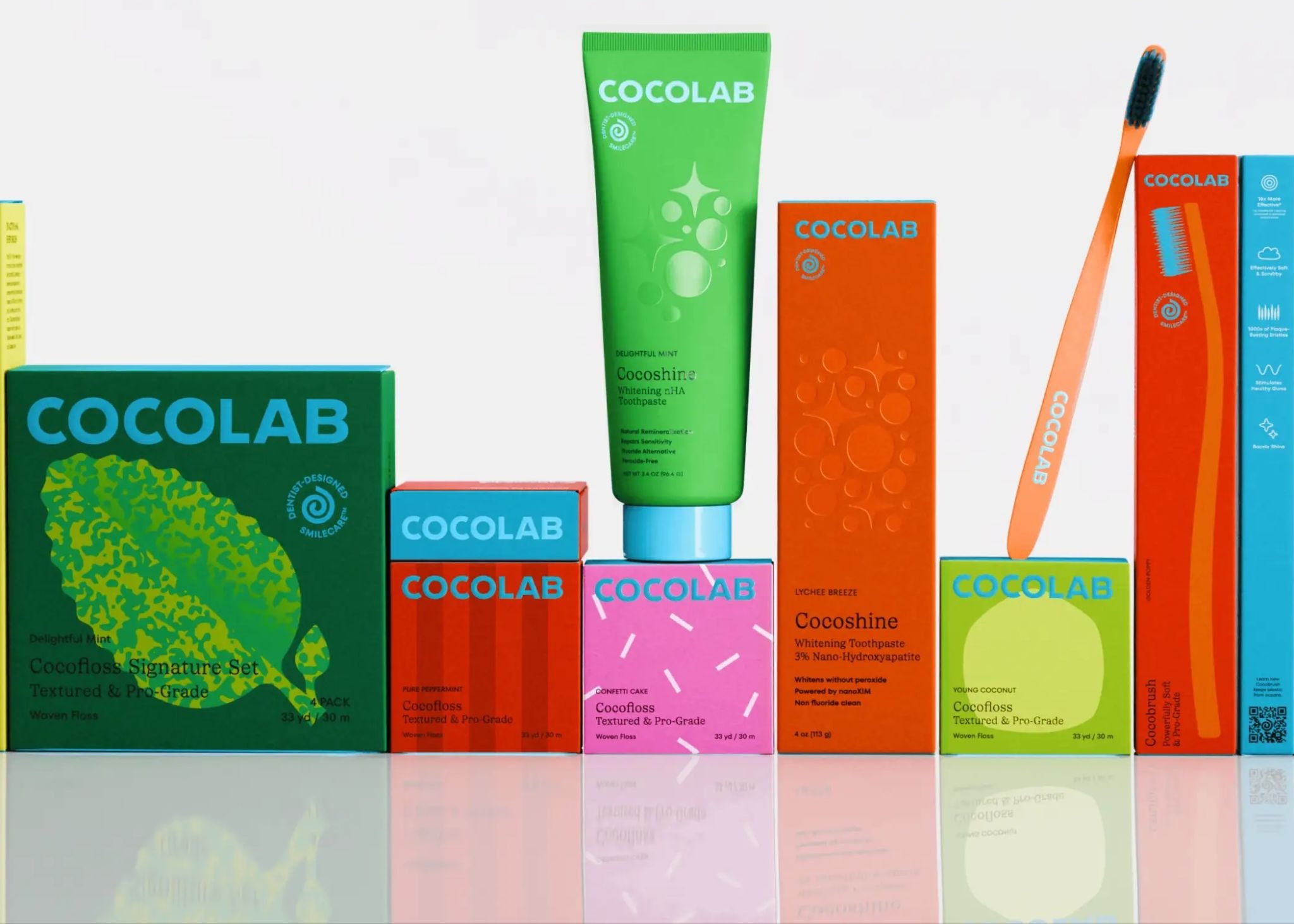
Source: https://thedieline.com/wedge-brings-dental-dopamine-to-cocolab-rebrand/
Retail-ready packaging comes in an infinite range of shapes, sizes, colors, and designs. But that doesn’t mean anything goes. For example, while spherical packaging might look futuristic and cool, it’s going to roll right off of shelves if not shipped with an accompanying display base. Not ideal. And while cosmetics packaged up in glittery tissue paper might look beautiful in concept, that packaging would be ripped to shreds long before it could make it home with a shopper.
In order to ensure packaging is truly retail-ready, you need to make sure it’s got the right balance of practicality and eye-catching design. Specific factors that play into retail readiness include:
- Labeling - According to the law (and common sense), specific, easy-to-read information must be printed on any shelf-stocked packaging. See our next section for more details on that front.
- Shape, Weight, and Dimensions - For big box retail and busy shopping environments like grocery stores, packaging that has a standard shape is easier for staff to stock and for buyers to grab and go. However, if your product will primarily be stocked in specialty stores, unusual and attention-grabbing packaging may make more sense even if it is less practical.
- Materials - A store shelf is a rough-and-tumble environment, not to mention the conditions experienced during shipping. Packaging must be made of durable materials that support and protect both the product inside AND the exterior printing that attracts shoppers in the first place.
- Aesthetics - Packaging needs to be eye-catching if it’s going to compete on store shelves. Unique and recognizable colors, logos, fonts, imagery, and finishes will all help shoppers pick out your product amidst a sea of similar options.
Packaging Information Brands Need to Include
Source: https://thedieline.com/truffl-designed-cpg-brand-korean-bros-has-some-not-so-serious-seoul/
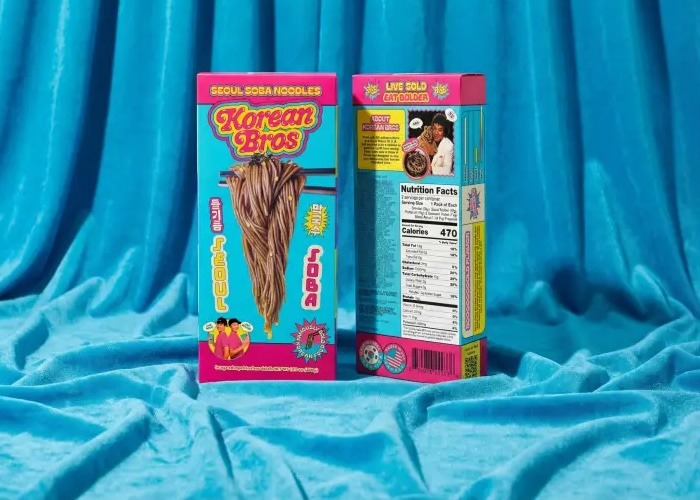
Before packaging can be considered retail ready in the US, it must include all legally mandated information, most of which is outlined in the Fair Packaging and Labeling Act (FPLA). These laws were developed to protect consumers from unsafe and deceptive business practices. Failure to comply can result in serious legal consequences, including product recalls and class action lawsuits.
However, the argument in favor of compliant and informative packaging goes deeper than just staying above the law. On a fundamental level, informative packaging makes for a better customer experience, which in turn improves repurchasing rates. It also gives retailers confidence that they can stock your product prominently without risking returns and/or complaints from misled customers.
Specific labeling requirements for retail packaging include:
- A statement identifying the commodity within.
- The name and address of the manufacturer, packer, or distributor.
- A measurement of the contents by weight, measure, or count.
- Ingredient list (for food, drugs, and cosmetics).
- Nutritional information (for food).
- Usage instructions and warnings when applicable.
Other important information includes a UPC barcode and, increasingly, a QR code that links to a website or product page. While packaging without these scannable elements can still function, they’re less likely to appeal to stockists, especially big box retailers. This is because store staff will need to add their own barcode labels to make them scannable at checkout, which is time and effort big box operations often won’t accommodate.
How to Design Packaging for Shipping, Stocking, and Display
Source: https://thedieline.com/burts-bees-holiday-at-target-quickly-catches-the-eye-of-new-shoppers/
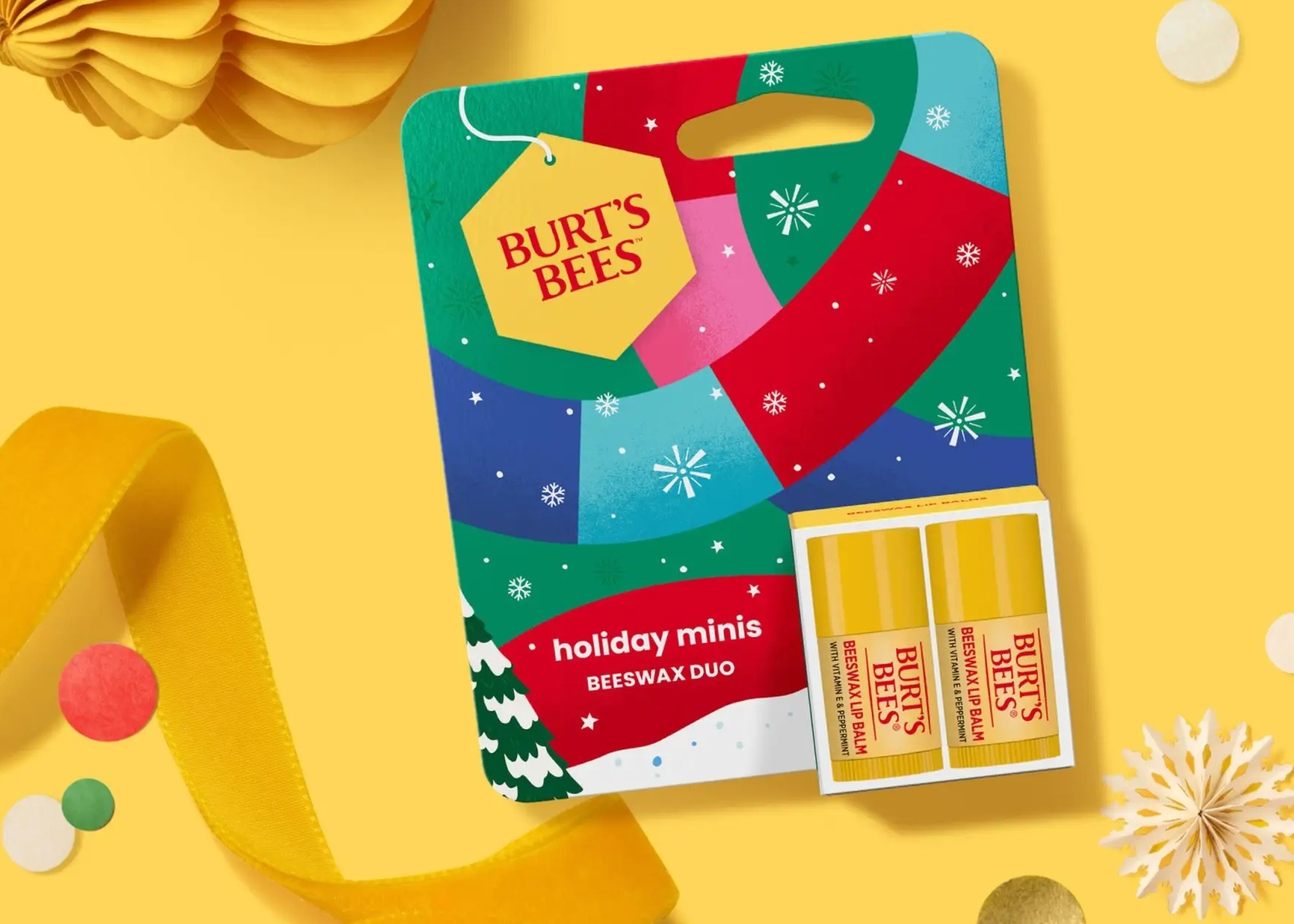
If packaging can plausibly fit on a shelf, it can plausibly be sold in store. But size and shape will impact how easy it is to transport, which shelf it goes on, and how well it draws attention.
For example, for eye-level placement, packaging generally needs to allow a customer to safely handle it with one hand. Heavier and more cumbersome packages end up on bottom shelves, or in overstock spaces that require employee assistance to access.
There’s also how well your packages ‘pack’ with one another. Cubes and rectangular boxes can be lined up and stacked neatly, making them more efficient to ship and shelve. As for packaging designed to hang on sidekick or pegboard-style displays, a narrow profile is often preferable to allow more units to be hung up at any given time.
When is ‘Wilder’ Packaging Worth It?
Source: https://thedieline.com/adidas-x-tron-ares-movie-shoe-box-chest/
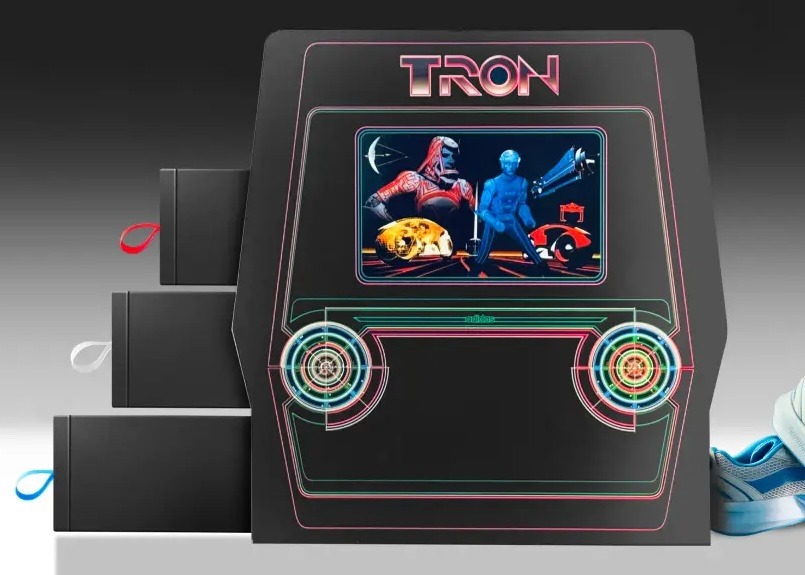
Packaging made in unconventional shapes or with more delicate finishes swaps ease of shipping and display in favor of being more eye-catching, creative, and unique. The more in-demand a product is, the more likely it is to be stocked prominently no matter what kind of packaging it comes in. But the strategy can also work well for niche products sold in specialty shops. Since these shops commonly have fewer products on display, with a higher profit margin per product, the appeal of uniqueness and the premium it commands is more likely to outweigh any inconvenience.
But it’s important to remember that retail packaging can still stand out, even if it uses a practical, standard shape. The best way to ensure it does is to use prototyping and/or mockups to see your planned design side by side with its competitors. This can reveal unexpected problems with your design, and help you refine your packaging so it can truly pop in person.
Creating Packaging that Stands Out & Holds Up
If you’re scratching your head trying to figure out how to package your product right for retail, we’ve got you covered. We’ve been designing and printing innovative, eye-catching solutions for nearly a century, and we’re excited to put that expertise to work for you. For exceptional service and impeccable results, talk to Wallace Carlson about your package printing options today.
Conclusion
Work that stands out across time and industries
Looking for more insights on print marketing and design? Check out the latest blogs from Wallace Carlson for expert tips, industry trends, and strategies to elevate your brand.