Printing & Design Glossary: 100 Terms Explained
Top 100 printing and graphic design terms explained. This glossary covers essential print, color, typography, binding, and production terms every marketer and designer should know.

Despite the ubiquity of print material, the printing process remains a mystery to most folks. To help outsiders crack the code, we’ve curated this list of the top 100 most searched and commonly used print terms. Whether you’re a marketer, a designer, or anyone else looking to work with a commercial printer, you can rely on this easy-to-navigate guide to help you understand whatever’s being discussed.
1. Color & File Setup Terms
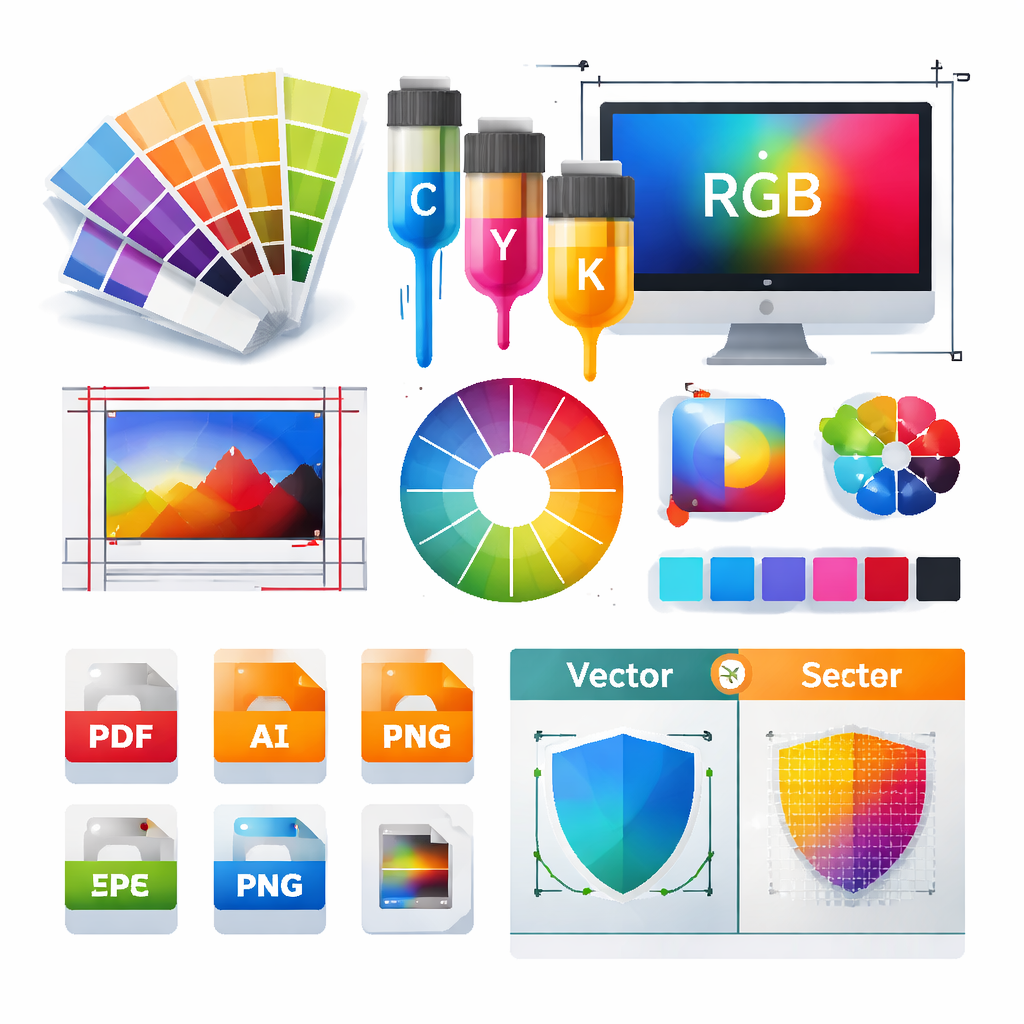
- Bleed: Artwork that extends beyond the trim edge to prevent white borders after cutting.
- Crop Marks: Printed guide lines that indicate where a piece should be trimmed.
- CMYK: The four-color printing process using Cyan, Magenta, Yellow, and Black inks.
- RGB: A color mode using Red, Green, and Blue light for digital screens.
- Pantone (PMS): A standardized color matching system used to ensure consistent brand colors in print.
- Spot Color: A pre-mixed ink printed separately for precise color accuracy.
- Process Color: Color created by layering CMYK inks during printing.
- DPI (Dots Per Inch): A measurement of print resolution that affects sharpness and detail.
- PPI (Pixels Per Inch): A measurement of digital image resolution.
- Resolution: The overall clarity of an image based on pixel or dot density.
- PDF (Portable Document Format): The preferred print-ready file format that preserves fonts, layout, and images.
- Vector Graphic: A scalable image made from mathematical paths that does not lose quality when resized.
- Raster Image: A pixel-based image that can lose clarity when enlarged.
- EPS File: A vector-based file format commonly used for logos and scalable artwork.
- AI File: An Adobe Illustrator file format used for vector design.
- TIFF: A high-quality image file format commonly used for print production.
- JPEG (JPG): A compressed image file format commonly used for digital use.
- PNG: A digital image format that supports transparency.
- Color Separation: The process of breaking an image into CMYK components for printing.
- Proof: A test version of a printed piece used to review layout, color, and content before final production.
2. Printing Methods

- Offset Printing: A traditional plate-based printing method ideal for large print runs.
- Digital Printing: A plate-free printing method suited for short runs and quick turnaround.
- Letterpress: A relief printing technique that presses inked type into paper for a tactile effect.
- Flexography: A printing process commonly used for packaging and labels.
- Screen Printing: A method that uses a mesh screen to transfer ink onto various materials.
- Large Format Printing: Printing oversized materials such as banners and posters.
- Wide Format Printing: Another term for large format printing used for signage and displays.
- UV Printing: A printing method that cures ink instantly using ultraviolet light.
- Grayscale Printing: Printing using only shades of black and gray.
- Monochrome Printing: Printing using variations of a single color.
3. Paper & Materials
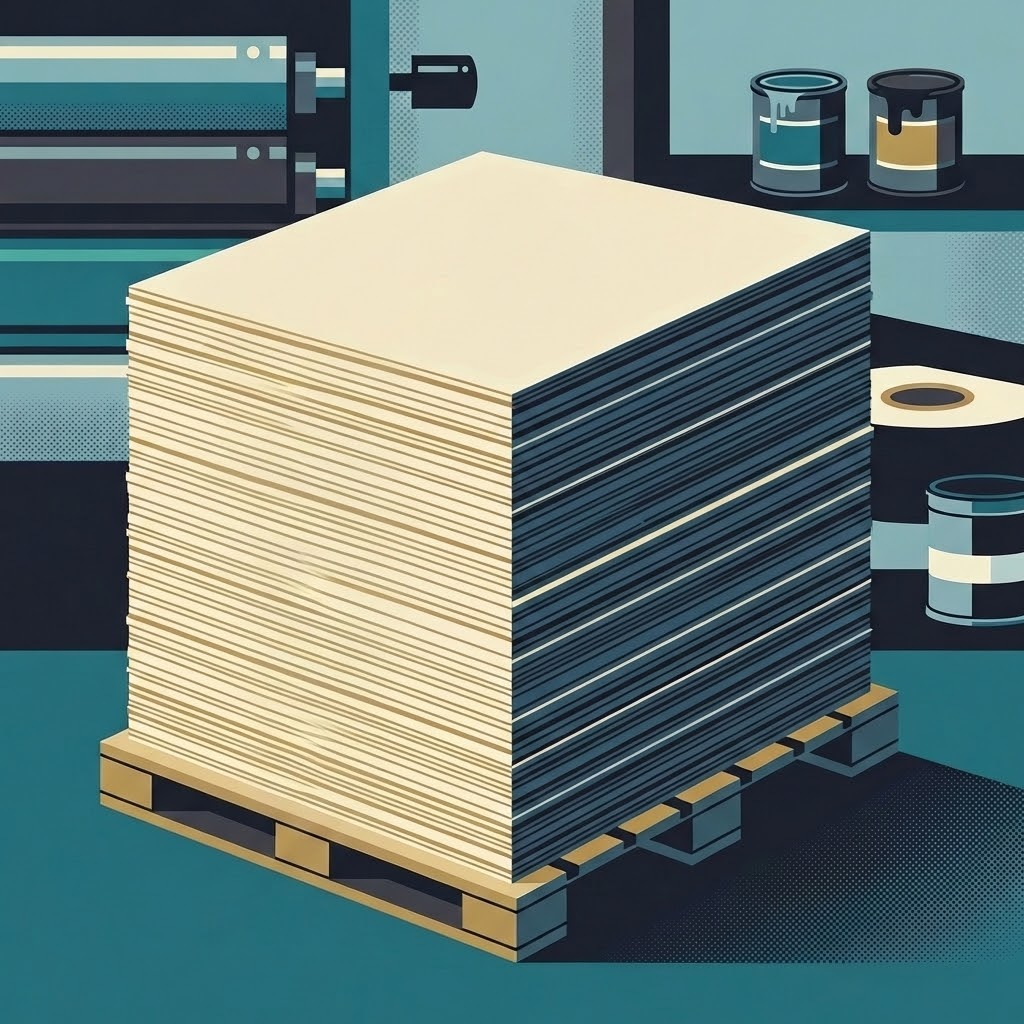
- Paper Stock: The type and thickness of paper selected for a print project.
- Coated Paper: Paper with a sealed surface that enhances color vibrancy.
- Uncoated Paper: Paper without surface coating, offering a natural texture.
- Cardstock: Thick, durable paper used for business cards and covers.
- Bond Paper: A strong paper often used for letterhead and stationery.
- Text Weight: Lighter paper used for interior pages.
- Cover Weight: Heavier paper used for covers and postcards.
- GSM (Grams per Square Meter): A metric measurement of paper thickness.
- Opacity: The degree to which paper prevents show-through from the opposite side.
- Grain Direction: The direction fibers run in a sheet of paper, affecting folding quality.
4. Finishing & Special Effects
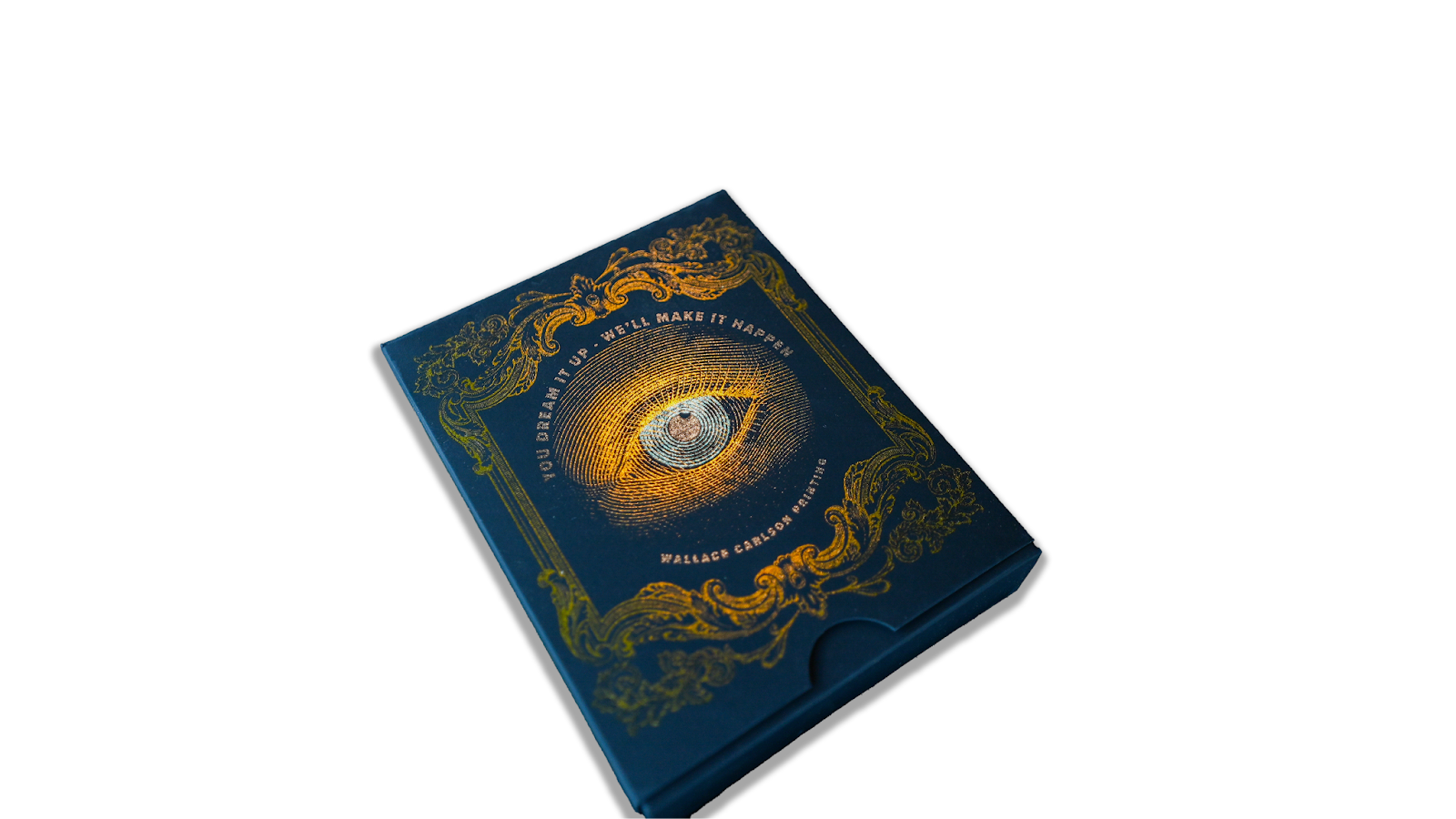
- Lamination: A protective plastic film applied to print materials.
- UV Coating: A glossy protective finish cured with ultraviolet light.
- Spot UV: A glossy coating applied selectively to specific areas.
- Varnish: A protective coating applied to printed surfaces.
- Emboss: A raised design pressed into paper.
- Deboss: An indented design pressed into paper.
- Foil Stamping: The application of metallic foil using heat and pressure.
- Die Cutting: Cutting paper into custom shapes using a metal die.
- Scoring: Creating a crease line to allow clean folding.
- Perforation: A series of small holes that allow paper to tear cleanly.
5. Binding & Layout
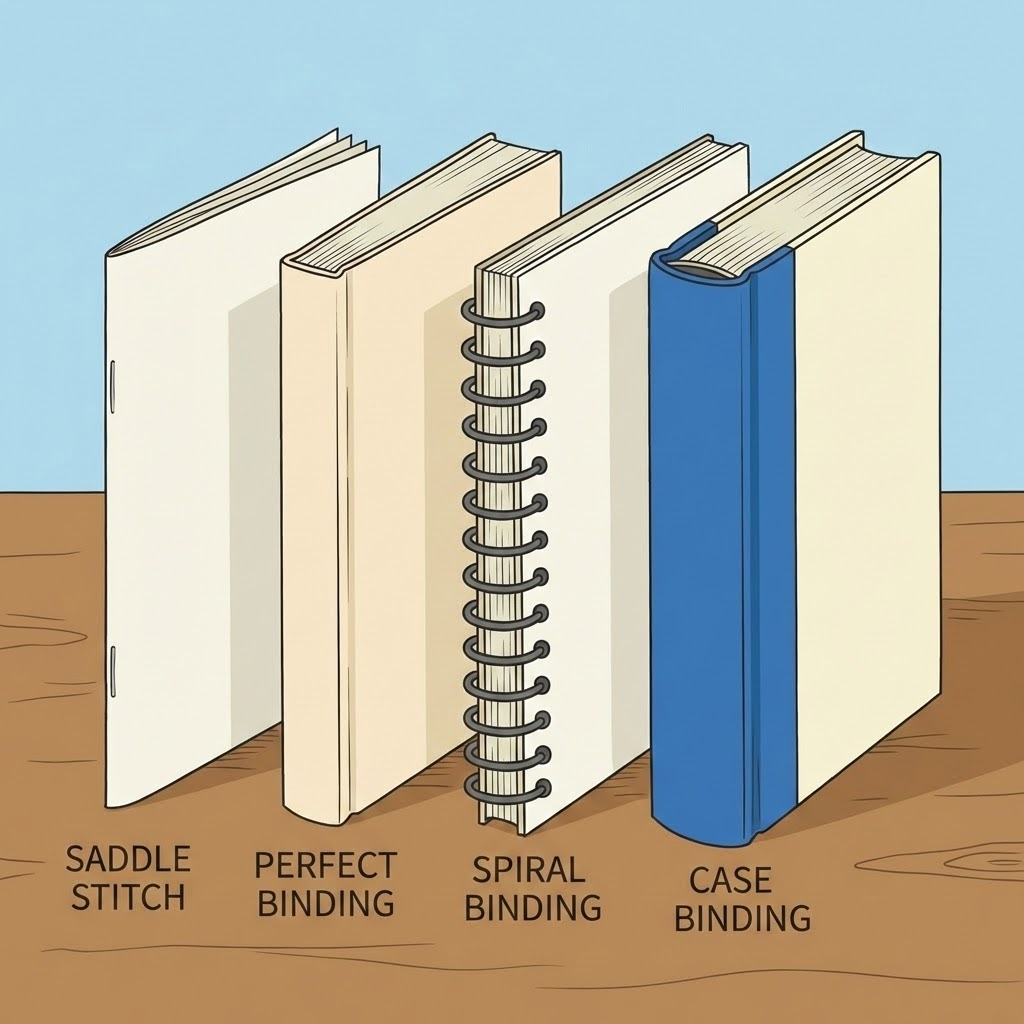
- Saddle Stitch: Binding with staples along the folded spine.
- Perfect Binding: Glue binding commonly used for paperback books.
- Spiral Binding: A coil inserted through punched holes to allow pages to lay flat.
- Case Binding: A hardcover book binding method.
- Gutter: The space near the binding between facing pages.
- Margin: The blank space between content and the edge of a page.
- Trim Size: The final dimensions of a printed piece after cutting.
- Creep: The shifting of inner booklet pages outward during trimming.
- Imposition: The arrangement of pages on a press sheet for proper folding and binding.
- Pagination: The numbering and sequencing of pages.
6. Typography Basics

- Typeface: A family of related fonts sharing the same design.
- Font: A specific style and weight within a typeface.
- Serif: A typeface with small decorative strokes at the ends of letters.
- Sans Serif: A typeface without decorative strokes at the ends of letters.
- Baseline: The invisible line on which text sits.
- Ascender: The part of a lowercase letter that rises above the x-height.
- Descender: The part of a lowercase letter that extends below the baseline.
- X-Height: The height of lowercase letters, excluding ascenders and descenders.
- Kerning: The adjustment of spacing between two specific letters.
- Leading: The vertical space between lines of text.
7. Design Principles & Layout
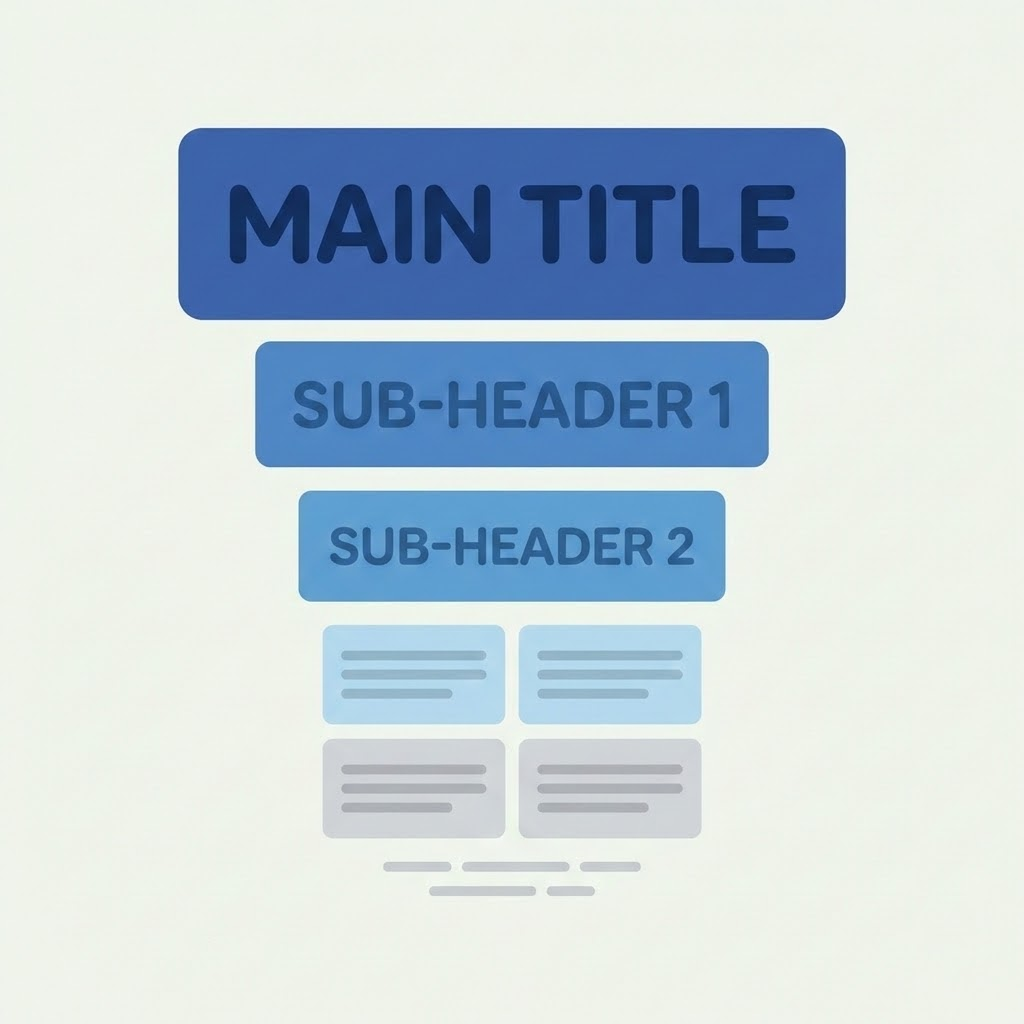
- Alignment: The positioning of elements relative to each other or the page.
- Contrast: The use of opposing elements to create visual interest.
- Hierarchy: The arrangement of elements to show importance and guide the reader’s eye.
- Grid: A framework of guides used to structure a layout.
- White Space: The empty space between design elements that improves readability.
- Aspect Ratio: The proportional relationship between width and height.
- Balance: The distribution of visual weight within a design.
- Symmetry: A balanced layout where elements mirror each other.
- Scale: The relative size of elements within a design.
- Repetition: The repeated use of visual elements to create consistency.
8. Marketing & Production Terms
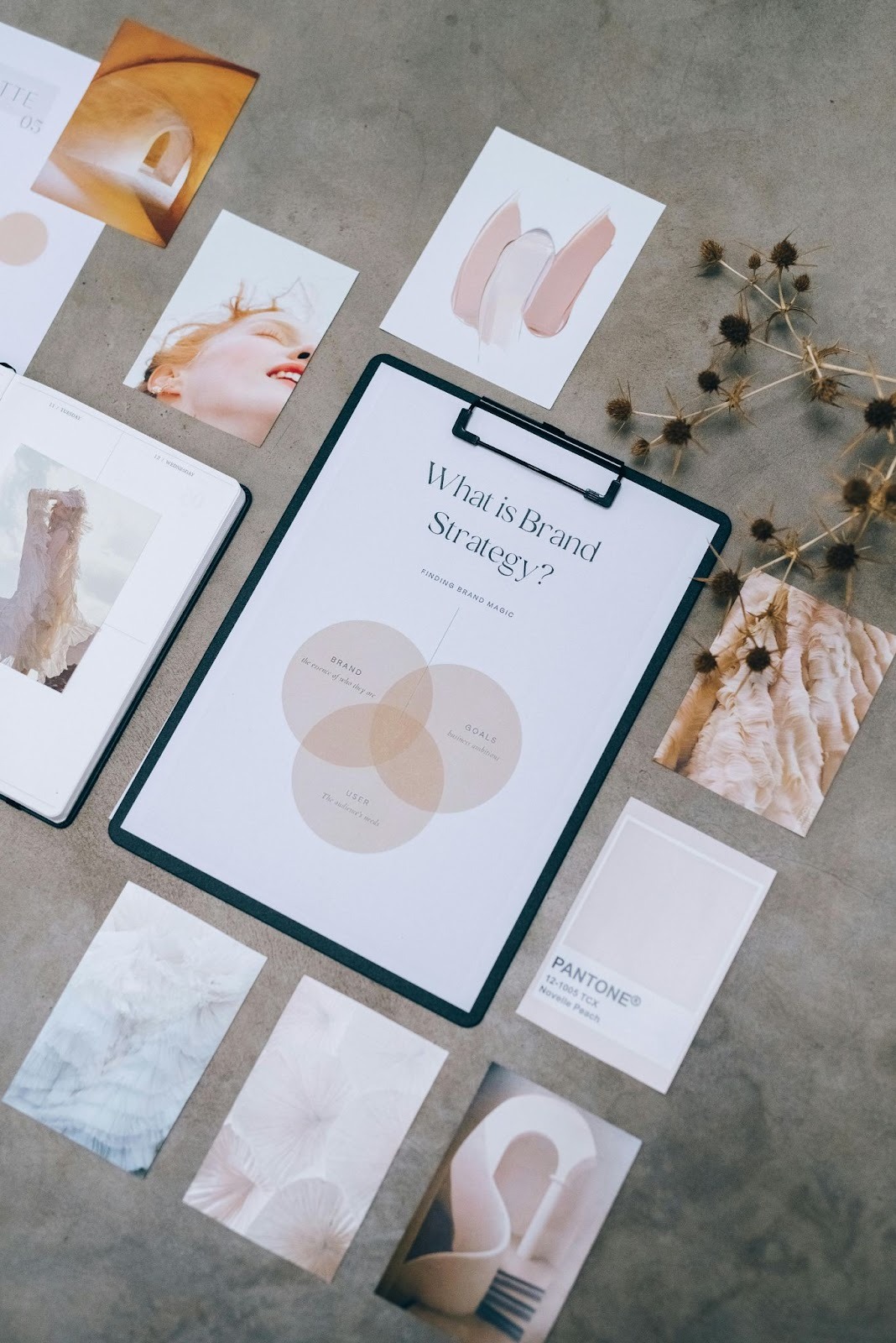
- Brand Identity: The visual elements that represent a brand.
- Style Guide: A document outlining brand standards for consistent design.
- Mock-Up: A realistic visual preview of a design before production.
- Variable Data Printing (VDP): Printing that personalizes content using database information.
- Bulk Mail: Large-volume mailing that qualifies for postage discounts.
- Business Reply Mail (BRM): Prepaid return mail used in marketing campaigns.
- Call to Action (CTA): A prompt encouraging a specific response from the audience.
- Proofreading: Reviewing text for errors before final printing.
- Prepress: The preparation stage before printing begins.
- Print Run: The total number of copies printed in a single production.
9. Print Materials, Formats & Production Terms

- Opacity: The degree to which paper blocks light from passing through.
- Register/Registration: The precise alignment of color plates in printing.
- Duplex Printing: Printing on both sides of a sheet.
- Single-Sided Printing: Printing on only one side of a sheet.
- Fold: A method of bending printed material into panels.
- Tri-Fold: A fold creating three panels commonly used in brochures.
- Gate Fold: A fold where outer panels fold inward to meet in the center.
- Matte Finish: A non-glossy surface finish.
- Gloss Finish: A shiny reflective surface finish.
Substrate: Any material that can be printed on, including paper, vinyl, or fabric.
Conclusion
Work that stands out across time and industries
Looking for more insights on print marketing and design? Check out the latest blogs from Wallace Carlson for expert tips, industry trends, and strategies to elevate your brand.