Choosing the Right Materials & Finishes for Retail Packaging
Learn how packaging materials and print finishes protect products, strengthen your brand, and create eye-catching retail packaging that stands out on the shelf.

A retail product’s lifecycle is rough. Shipping, stocking, handling, and heading home with a customer adds up to a lot of potential bangs, bumps, squishes, and scratches. Fortunately, modern packaging manufacturers know how to create appealing, functional designs that draw attention and hold up to all that hubbub. Learn how materials and finishes can be tailored to suit retail environments, ensuring your products are always looking sharp on the shelf.
How Packaging Materials Influence Product Protection & Brand Perception
The dual role of packaging presents a delicate balancing act. On the one hand it’s a practical necessity for protecting, identifying, and transporting a product. On the other hand, it’s an invaluable piece of marketing real estate. Finding the right balance for your packaging design requires you to assess a few factors, including:
- What audience are you targeting? The packaging materials & design you choose should be tailored to appeal to your target demographic. Understanding how different materials and finishes will read in their eyes is critical to making the best choices.
- How fragile is your product? Strong, rigid packaging is important for easily damaged items.
- How heavy is your product? Strong packaging is also more important the more your product weighs.
- Where will your product be sold? Big box retailers tend to want more standardized packaging designs that are easy to store, stock, and sell. Conversely, specialty stores and online retail allows for more creativity, especially in the overall shape of the packaging.
Retail Packaging That Help Products Stand Out
Getting packaging to stand out in a retail environment can be achieved in all sorts of ways, including leveraging well-known brand colors and logos or creating wild and unique shapes with the packaging itself. But for most brands, the easiest solution is to enhance a package’s printed design with the right finishes. Whether they’re used on select details to create an elegant emphasis, or all-over to create an exuberant, eye-popping effect, the right finishes turn heads and make positive impressions before shoppers have even lifted the box off the shelf.
Matte vs Gloss Finish

Source:: https://thedieline.com/the-dieline-awards-2018-fenty-galaxy/ )
Protective coatings come in a variety of finishes including matte, satin, and gloss. All of them help protect the printed design, making the final choice largely a matter of design preference. Matte can be especially effective for eco-friendly packaging, as it reads as more natural. It can also seem more practical or no-nonsense, making it a good choice for packaging many utilitarian products. On the other hand, gloss can help convey glamour and energy, making it a popular finish for cosmetics, electronics, and some fashion brands. It’s also very effective at repelling water, making it useful for packaging many food and beverage products.
Foil Finish
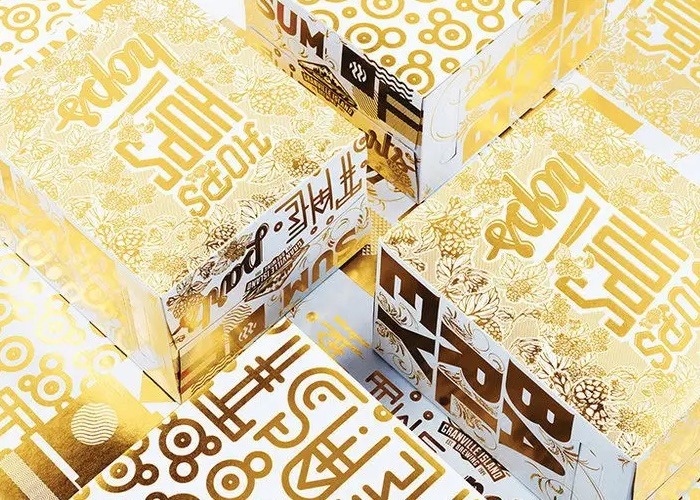
Source: https://thedieline.com/the-dieline-awards-2018-outstanding-achievements-victoria-craft-beer-week/
Metallic foil comes in an extensive variety of colors and patterns. When its use is limited and restrained, say on just the product name or the logo, it often reads as extremely luxurious. But when it’s used all over the packaging, especially if that packaging is on the thinner side, it tends to come across as more playful and celebratory.
Embossing & Debossing Finishing

Source: https://thedieline.com/the-dieline-awards-2017-outstanding-achievements-honour-essentials-coffee/
Embossing is the process of adding raised details to a print, while debossing creates depressed details. Both techniques are popularly used on high-end and luxury packaging to create refined, mono-chromatic designs with pleasing texture.
Soft-Touch Coating Finish

Source: https://thedieline.com/mi-buds-3t-pro/ )
Soft touch is a coating, which means it helps protect the surface it’s applied to. It also creates a matte appearance and a soft, velvety texture. It tends to read as sophisticated yet accessible, making it a good choice for consumer electronics, home goods, and anything you want buyers to perceive as soft, smooth, or soothing.
Balancing Cost, Sustainability, and Visual Appeal
To wrap things up, let's quickly run through a few more key considerations that may come into play during packaging design.
Cost
High-end finishes and materials come at an added cost. If the margins on your product can’t cover that cost, then it may simply be necessary to go with a simpler design. However, packaging that looks and feels valuable can also raise the perceived value of the product it contains. So, in some cases, investing in elevated packaging can actually enable brands to raise prices, ultimately earning more per product sold.
Sustainability
Modern buyers are more likely to value sustainability than not. And packaging is an excellent opportunity to show off your commitment to sustainability in action. Vegetable inks, recycled substrates, and waste-minimizing dielines can all be called out on your packaging, either with the logos of the materials’ eco-friendly accreditations, or via original copy and design elements.
Visual Appeal
Finally, there are times in packaging design where visuals will win out over every other concern. While all the advice we’ve given on practicality and strategy is valid, retail packaging needs to stand out at the end of the day. To make sure this happens, it’s always smart to create a physical or digital mock up of your design and place it amongst competitor products in a retail setting. If it’s not holding its own, it may be time to consider pushing the envelope just a little bit more.
Got a packaging project on the horizon? Reach out to our Wallace Carlson Printing team! We’ve got decades of experience designing and printing innovative custom packaging solutions, and we’d love to put our skills to work for you next!
Conclusion
Work that stands out across time and industries
Looking for more insights on print marketing and design? Check out the latest blogs from Wallace Carlson for expert tips, industry trends, and strategies to elevate your brand.